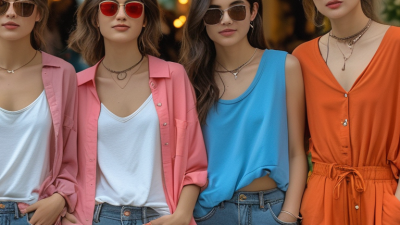
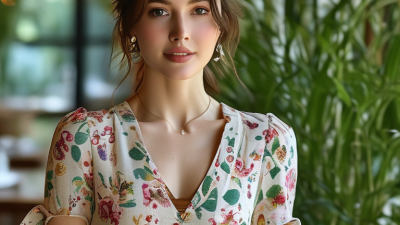
Best Casual Dress Styles for Global Buyers in 2026?
As we look forward to 2026, the Casual Dress market is poised for transformation. Industry expert Laura Smith, a renowned fashion consultant, states, "Comfort and style will redefine how we perceive casual dresses in the future." This insight captures the essence of current trends in casual wear.
Casual dresses are no longer just simple garments; they are expressions of personal identity. With an increasing focus on sustainability, buyers are seeking materials and designs that reflect their values. The demand for versatility in casual dresses is on the rise. Customers desire pieces that can transition from day to night effortlessly.
However, the challenge lies in balancing comfort with style. As styles evolve, some classic designs may seem outdated. Shoppers must be reflective about their choices, ensuring their casual dress selections align with their lifestyle and ideals. This thoughtful approach will enhance their wardrobe in meaningful ways.
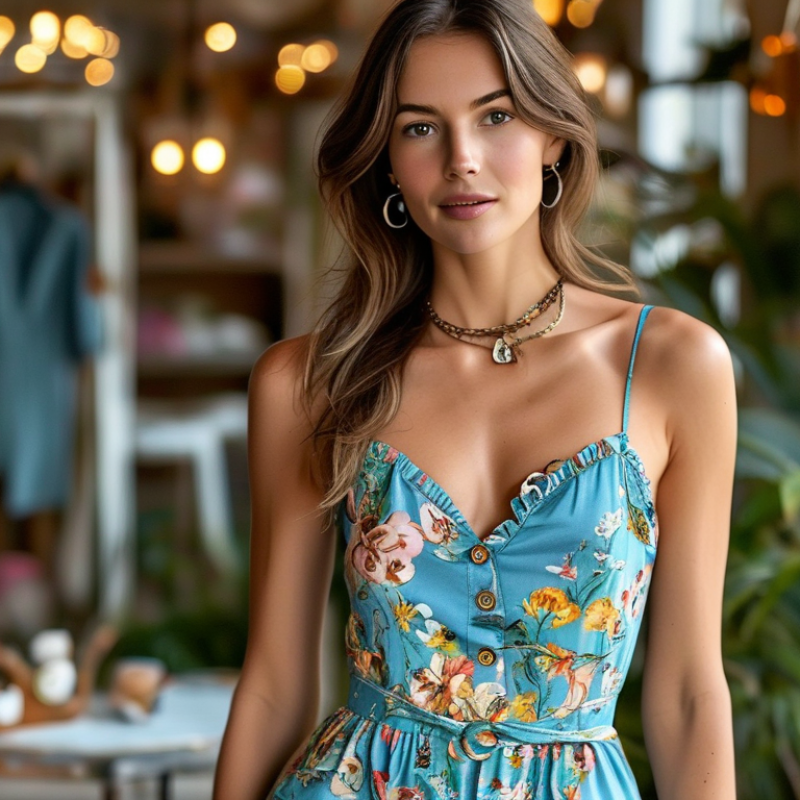
Emerging Casual Dress Trends for Global Buyers in 2026
As we approach 2026, the casual dress market is evolving. According to the Global Fashion Industry Report, demand for casual wear is projected to increase by 30% over the next few years. This surge reflects a shift in consumer preferences for comfort and versatility. Simple silhouettes, breathable fabrics, and eco-friendly materials will dominate this trend.
Emerging styles like oversized maxi dresses and relaxed daytime jumpsuits gain popularity. These pieces offer ease of movement and can be dressed up or down. Data from fashion analytics firms indicate that 65% of global consumers prioritize comfort in their clothing choices. Additionally, the integration of technology in fashion, such as smart textiles, will provide innovative options for casual wear.
However, brands must address sustainability challenges. Many companies still struggle with eco-friendly production methods. Consumer awareness is rising, and buyers are increasingly looking for transparency in sourcing and manufacturing. Ineffective strategies may backfire, leading to consumer distrust. Reflecting on these aspects is essential for success in the evolving landscape of casual dress trends.
Key Fabrics and Materials for Casual Dresses in 2026
In 2026, the casual dress market is set to evolve significantly. Key fabrics will define this evolution. Lightweight cotton blends, breathable linen, and sustainable viscose are among the materials projected to dominate. According to a recent market report, the demand for sustainable fabrics is expected to increase by 30% over the next three years. This shift aligns with consumer preferences for eco-friendly options.
Textured fabrics will also be in fashion. Textured cottons and soft tactile materials provide comfort and visual appeal. Data suggests that 65% of consumers prioritize comfort in casual wear. With evolving trends, it's essential to consider color and design. Earthy tones and subtle patterns will attract buyers seeking a casual yet stylish look.
While these trends seem promising, brands face challenges. Sourcing sustainable materials can be difficult and costly. Additionally, managing consumer expectations for quality and price might require delicate balancing. An emphasis on innovative production methods is vital for brands aiming to tap into this lucrative market. As styles change, staying attuned to these shifts is crucial for success in 2026.
Color Palettes and Patterns Dominating Casual Dresses for 2026
In 2026, casual dresses will showcase dynamic color palettes and unique patterns. Buyers are looking for more than just comfort; they want style that reflects individuality. Earthy tones like terracotta and sage green are gaining momentum. These colors resonate with nature and promote a sense of calm, perfect for everyday wear.
Bold patterns will dominate as well. Expect to see oversized floral prints and retro geometric shapes making a comeback. These designs can express a playful spirit. However, some may find them overwhelming. It's essential to strike a balance between standout patterns and subtle accents. Layering will also play a significant role, allowing buyers to mix statement pieces with classic staples.
The transition to more sustainable materials is another factor influencing casual dress styles. Buyers increasingly prefer eco-friendly fabrics. Nevertheless, finding the right fit in these materials can sometimes be a challenge. Comfort should not be sacrificed for style, leading to often uncomfortable choices. Ultimately, understanding personal style and aiming for an effortless look can bring confidence in casual wear.
Best Casual Dress Styles for Global Buyers in 2026
Cultural Influences Shaping Casual Dress Styles Worldwide in 2026
The casual dress styles of 2026 will be deeply influenced by global cultural shifts.
With the rise of digital influences, cultures are blending like never before.
As reported by the Global Fashion Report, 75% of consumers now seek clothing that reflects their cultural identity.
This trend indicates a strong desire for meaningful fashion choices.
Cultural events and social movements will also shape styles.
In many regions, traditional garments are being reinterpreted in modern contexts.
For instance, the adaptation of African prints and Asian silhouettes in everyday wear is a direct response to globalization.
The 2023 Cultural Fashion Index highlights that 68% of fashion buyers value designs that tell a story.
They appreciate clothing that resonates with diverse backgrounds.
Moreover, sustainability remains a pressing issue.
As consumers advocate for ethical fashion, designs that incorporate eco-friendly materials will gain traction.
According to the 2022 Sustainable Fashion Report, 55% of shoppers prefer brands prioritizing sustainability.
This demonstrates a growing awareness of environmental impact, influencing casual wear styles across various cultures.
The result? A more thoughtful approach to fashion, balancing personal expression with global responsibility.
Eco-Friendly and Sustainable Casual Dress Options for Global Consumers in 2026
As consumers become more environmentally conscious, the demand for eco-friendly casual dresses is rising. In 2026, global buyers will look for options that prioritize sustainability. Organic cotton, linen, and Tencel are popular fabrics that offer both comfort and durability. These materials often require less water and fewer chemicals compared to traditional fabrics, making them an excellent choice for mindful shoppers.
When selecting casual dresses, consider styles that are versatile and timeless. A simple A-line or wrap dress can transition from day to night with ease. Accessories can elevate a basic look, but thoughtful choices are essential. Lightweight, biodegradable materials for accessories also contribute to a sustainable wardrobe. Some designs may continue to lean towards fast fashion; this requires reflection on personal purchasing habits.
It's vital for consumers to understand where their clothing comes from. Transparency in production processes can guide responsible choices. Not all items labeled as "eco-friendly" meet rigorous standards. Researching brands and reading customer reviews can provide a clearer picture. Making well-informed decisions contributes to a more sustainable future.