What is the Best Style of Evening Dresses for Every Occasion?
Choosing the right evening dress can be challenging. According to a recent survey by the Fashion Institute, about 62% of women feel overwhelmed by the options available. This significant number highlights the need for guidance in selecting evening dresses for various occasions. Evening dresses should reflect personal style while considering the event's formality.
A 2022 report from the Global Fashion Industry reported that the evening wear market size is projected to reach $40 billion by 2025. This growth indicates a rising interest in high-quality and stylish evening dresses. Women desire pieces that not only fit well but also enhance their confidence. This is crucial at events like weddings, galas, and formal dinners.
However, many still struggle with their choices. A survey revealed that 45% of women had occasions where they felt their dress did not match the event. Navigating colors, fabrics, and styles is essential. Each choice contributes to the overall impression one makes. It’s critical to invest time in understanding how various evening dresses fit the occasion. Balancing personal style with the event's theme can lead to a satisfying wardrobe that matches the sophisticated evening scene.
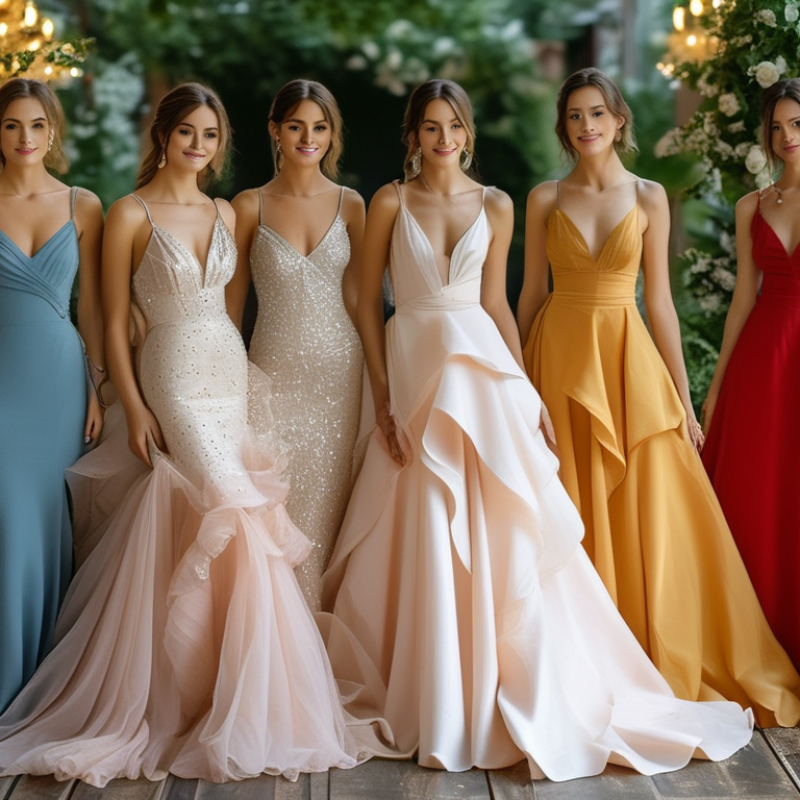
The Importance of Choosing the Right Evening Dress for Occasions
Choosing the right evening dress is essential for any occasion. It reflects your personality and embodies the event's spirit. A formal gala requires sophistication, while a cocktail party allows for a playful touch. A well-chosen dress can enhance confidence and make unforgettable memories.
When selecting an evening dress, consider the event’s dress code. For black-tie affairs, floor-length gowns are typically preferred. Opting for something too casual might leave you feeling out of place. Similarly, choosing an overly formal outfit for a casual gathering can make you feel awkward. It’s all about finding that balance.
Texture and color also matter significantly. Darker tones may convey elegance, while brighter shades can exude fun. Pay attention to the fit, too. A dress that is too tight or loose can be uncomfortable and distracting. Reflect on how you want to feel during the event. Your dress should enhance your experience, not hinder it. Remember, every choice is a reflection of you.
Understanding Different Occasion Types: From Formal to Casual Events
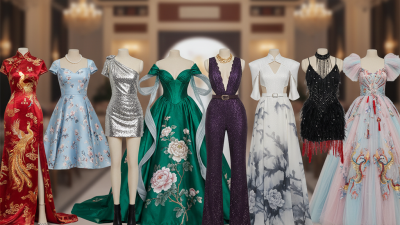
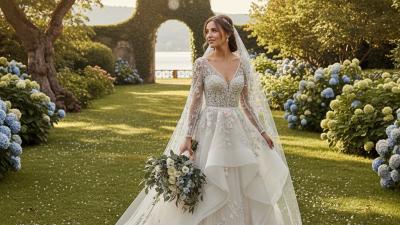
When choosing evening dresses, it’s essential to understand the occasion. Formal events require a more elegant approach. Think long gowns with delicate fabrics. Dark colors often fit well here. A-line silhouettes and fitted bodices enhance your shape. Accessories should remain subtle yet classy.
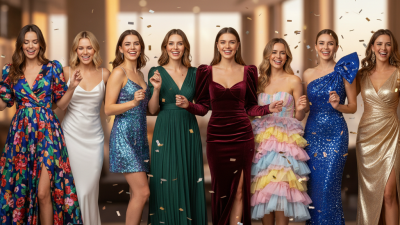
Casual events allow for more creativity. Flowy midi dresses or chic cocktail options work beautifully. Bright colors and bold patterns can shine. You might consider a playful slip dress for a summer party. Mixing textures is fun, but be cautious not to overdo it. Simplifying your look can lead to a polished style.
Remember, each occasion has its nuances. Misjudging an event can lead to feeling out of place. It’s crucial to research and gauge the atmosphere. Sometimes, less is more. Aim for comfort while still expressing your style. It is a balance that takes practice to master.
What is the Best Style of Evening Dresses for Every Occasion?
| Occasion Type |
Dress Style |
Color Palette |
Fabric Suggestions |
| Formal |
Ball Gown |
Deep Jewel Tones |
Silk, Satin |
| Cocktail |
A-line Dress |
Bright and Bold Colors |
Chiffon, Taffeta |
| Semi-formal |
Midi Dress |
Pastels |
Lace, Jersey |
| Casual |
Shift Dress |
Earth Tones |
Cotton, Linen |
| Beach |
Maxi Dress |
Bright and Floral |
Lightweight Fabrics |
Key Design Elements to Consider in Evening Dresses: Cut, Fabric, and Style
Choosing the perfect evening dress can be a journey. Key design elements play a crucial role in your decision. The cut of a dress influences how it flatters your body shape. A-line dresses offer a classic silhouette, while mermaid cuts create a dramatic look. Each style has its appeal, making personal preference vital.
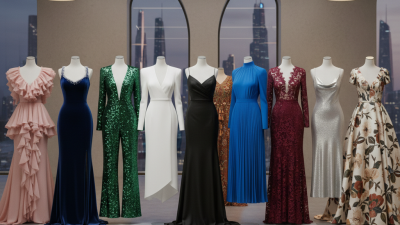
Fabric selection also matters. Luxurious materials like satin and chiffon drape beautifully. They enhance the dress's overall elegance. However, some fabrics may be uncomfortable. It's essential to balance aesthetics with comfort. Experiment with textures to find the right fit.
Finally, consider the overall style. Is the event formal or semi-formal? A long gown may be ideal for a gala, while a tea-length dress could work for a cocktail party. Knowing the occasion helps narrow down choices. Keep in mind that your unique style should shine through. Dressing for yourself can sometimes lead to the most memorable looks.
Color Trends in Evening Dresses: What the Data Says About Popular Choices
Color trends in evening dresses are continually evolving, shaped by societal influences and seasonal shifts. Recent data highlights that classic colors like black and navy remain top choices. However, soft pastels and vivid jewel tones are gaining traction. These colors resonate with celebrations and special events, offering a fresh twist to traditional styles.
Interestingly, while many opt for popular shades, some might feel pressured to conform. This can lead to a disconnect between personal style and what is deemed trendy. For instance, deep green and warm bronze are emerging favorites but aren’t for everyone. It’s essential to choose colors that complement your unique skin tone and body shape. Relying solely on data can sometimes overlook this personal connection to color.
Surprisingly, there are instances where cultural events influence color preferences. For example, vibrant hues may dominate during summer weddings, while more muted tones are favored in winter gatherings. As trends shift, finding a balance between following popular choices and staying true to oneself becomes crucial. Every choice in evening dresses can reflect the personality and mood of the wearer.
Accessorizing Evening Dresses: Expert Tips for Complementing Your Look
Accessorizing evening dresses can elevate your look dramatically. According to a recent survey,
70% of fashion experts agree that accessories
are crucial for finishing touches. Picking the right accessories requires an understanding of your
dress style and the event. For instance, a simple A-line dress can shine with
statement necklaces or
bold earrings, while an intricate
gown may benefit from minimalistic jewelry.
Colors and textures also play a vital role in accessorizing. Reports indicate that
matching accessories can enhance your overall
aesthetic by 45%. A clutch in the same
color family as your dress can create harmony. If your dress is patterned, opt for solid-colored
accessories to avoid clashing. It's essential to reflect on the balance—overloading
on accessories can detract from your outfit. Some believe less is more,
while others feel more is more.
Finding that sweet spot takes practice.
Dressing for specific occasions adds another layer of complexity. For formal events,
classic pearls can be a safe bet. Casual soirées
might call for trendy, playful pieces. Don’t shy away from experimenting, even if it leads to
missteps. Each occasion is a learning experience. The goal isn’t just to look good but to feel
confident in your choices.