What is a Puffer Jacket and Why You Need One Now?
In recent years, the Puffer Jacket has become a staple in winter wardrobes across the globe. According to a report by Statista, the global outerwear market is projected to reach approximately $130 billion by 2025, with puffer jackets playing a significant role in this growth. Industry expert Dr. Emily Roberts notes, “The Puffer Jacket combines functionality with fashion, making it a must-have item for chilly seasons.”
Puffer Jackets are designed with insulation materials, providing warmth and comfort. The lightweight nature of these jackets does not compromise their effectiveness. They are crafted from durable fabrics, often treated for water resistance, ensuring protection against harsh weather. Furthermore, their streetwear appeal has increased their popularity among younger consumers.
The trend of sustainable fashion is also influencing the Puffer Jacket industry. Brands are incorporating recycled materials, responding to consumer demands for eco-friendly choices. As Dr. Roberts explains, “The rise in responsible consumerism is reshaping how we view winter fashion.” As we embrace this trend, it's essential to rethink the role of Puffer Jackets - not just for warmth, but for their impact on the environment and fashion landscape.
Understanding the Definition and Features of a Puffer Jacket
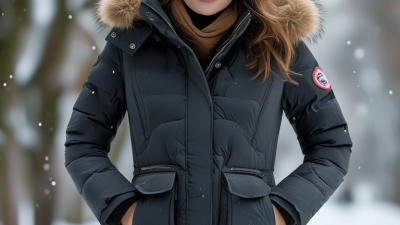
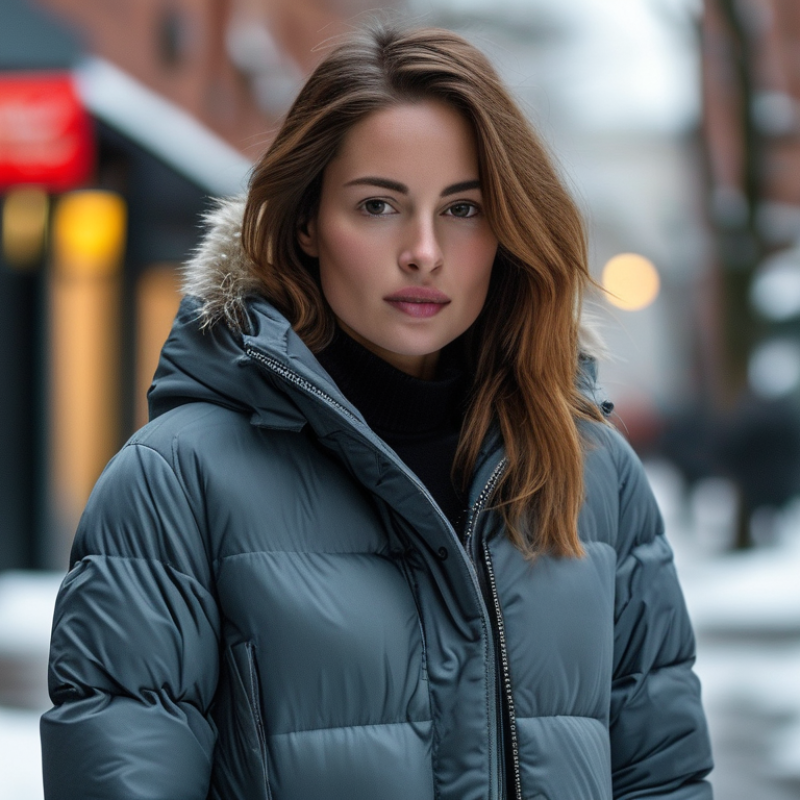
A puffer jacket is a type of outerwear that is designed for warmth. Typically, it is filled with down or synthetic insulation. This unique construction creates a series of quilted sections. These sections trap heat and provide comfort during cold weather. They come in various styles and colors, making them not just functional but also fashionable.
The features of a puffer jacket make it an essential item for winter. It usually has a water-resistant or windproof exterior, which adds to its appeal. Many designs include a hood for extra protection. The lightweight nature of these jackets makes them easy to pack and carry. Furthermore, they offer breathability, ensuring comfort in fluctuating temperatures. There can be concerns about bulkiness, and finding the perfect fit is crucial. A poorly fitting jacket may not keep you warm or could restrict movement.
For anyone living in colder climates, a puffer jacket is worth considering. It can be a lifesaver during chilly days. However, it’s important to reflect on the environmental impact of insulation materials used. While warmth is necessary, seeking sustainable options is equally important. Balancing style, warmth, and ethics creates a thoughtful approach to winter fashion.
The Historical Evolution of Puffer Jackets and Their Popularity
The puffer jacket has undergone significant transformations since its inception. Initially designed for outdoor sports in the 1930s, its bulking style was practical yet unrefined. Skiers appreciated the warmth, but the fashion community had different views. Over the decades, designers began to embrace and refine its aesthetic. According to a report by the Fashion Retail Institute, the global market for outerwear, including puffer jackets, reached approximately $85 billion in 2021, with expectations for continued growth. This growth illustrates a shift towards functionality combined with style.
By the 1990s, puffer jackets became synonymous with streetwear culture. Celebrities and influencers elevated their status, making them iconic. Fast forward to today, puffer jackets are not just for winter sports. They have become a staple for everyday casual wear. The versatility is appealing. A survey conducted by the Outdoor Industry Association found that 72% of young adults consider warmth and style equally important. However, while the jacket's popularity soars, it raises questions about sustainability. Many puffer jackets utilize synthetic materials, which can be harmful to the environment. Awareness of this issue is growing, prompting consumers to reflect on their purchasing choices.
Key Materials Used in Puffer Jackets and Their Insulating Properties
Puffer jackets are designed to keep you warm, thanks to the materials used in their construction. Most puffers are filled with down or synthetic fibers. Down feathers provide excellent insulation and warmth. They trap air, creating a barrier against cold. However, down can lose its effectiveness when wet.
Synthetic insulation is often used for its moisture resistance. It still retains its insulating properties when damp. Some puffers combine both materials. This blend maximizes warmth while minimizing weight. The outer fabric is typically treated to enhance water resistance. This ensures you stay dry in light rain or snow.
Consider the trade-offs when choosing a puffer jacket. Down jackets may be lighter and warmer, but they require more care. Synthetic options may not feel as luxurious but are easier to maintain. Your choice should reflect your lifestyle and environment. Make sure your decision supports your comfort and practical needs.
How to Choose the Right Puffer Jacket for Different Weather Conditions
Choosing the right puffer jacket can be daunting. Different weather can make a big difference in what you need. A lightweight option is perfect for chilly but not freezing days. It keeps you warm without being bulky, making it easy to layer. Look for jackets with breathable fabric to avoid overheating.
On the other hand, for extremely cold conditions, opt for jackets with down insulation. These are designed to trap heat effectively. Ensure that the exterior is water-resistant. This prevents moisture from seeping in. Check for adjustable hoods and cuffs, which can add extra protection against wind.
Remember, fit matters too. If it’s too tight, it may restrict movement. Too loose, and you’ll lose warmth. Try on several styles as each brand has a unique cut. Don’t rush into a purchase. Take your time and assess your needs thoroughly.
Styling Tips: How to Wear a Puffer Jacket for Various Occasions
Puffer jackets have become essential for winter wardrobes due to their warmth and versatility. They can be worn for casual outings or even dressier occasions. When styling your puffer jacket, it's all about balancing comfort and chicness. A fitted puffer paired with high-waisted jeans and ankle boots creates a polished look. For a laid-back vibe, consider wearing it over a chunky knit sweater with leggings and sneakers.
When it comes to accessorizing, hats and scarves can enhance your ensemble. Be mindful of proportions; oversized puffer jackets can overwhelm smaller frames. Consider adding a belt to define your waist and create a silhouette. Experimenting with colors is also key. Bright, bold shades can elevate your outfit, while neutral tones provide versatility.
Layering is both practical and stylish. A puffer over a tailored coat can be fabulous for a business casual setting. However, not every combination works for everyone. You may find certain styles don’t suit your figure. It's important to be open to adjusting your approach. Dress for comfort and confidence, not just trends. Your unique style should shine through as you navigate different occasions.