Top Wedding Dresses Trends You Need to Know in 2026?
As we approach 2026, the world of wedding dresses is evolving rapidly. The Bridal Council reports that 51% of brides are now opting for unique, custom designs rather than traditional options. This trend reflects a growing desire for individuality and personal expression in weddings. The shift highlights how brides are increasingly seeking garments that represent their unique style and story.
Recent data suggests that sustainable fabrics are gaining traction. A significant 47% of brides are prioritizing eco-friendly materials in their wedding attire. This aligns with broader societal trends towards sustainability, indicating that wedding dresses are no longer just about beauty, but also about values. This change invites brands to rethink their approaches and prioritize ethical practices.
The influence of social media cannot be understated. Platforms like Instagram showcase diverse styles and ideas, amplifying the trend toward personalized and innovative wedding dresses. However, this constant exposure can lead to unrealistic expectations. Brides may find it challenging to balance their vision with practicality. With evolving trends, 2026 promises exciting developments in the wedding dress industry that reflect deeper cultural shifts.
Emerging Color Palettes for Wedding Dresses in 2026
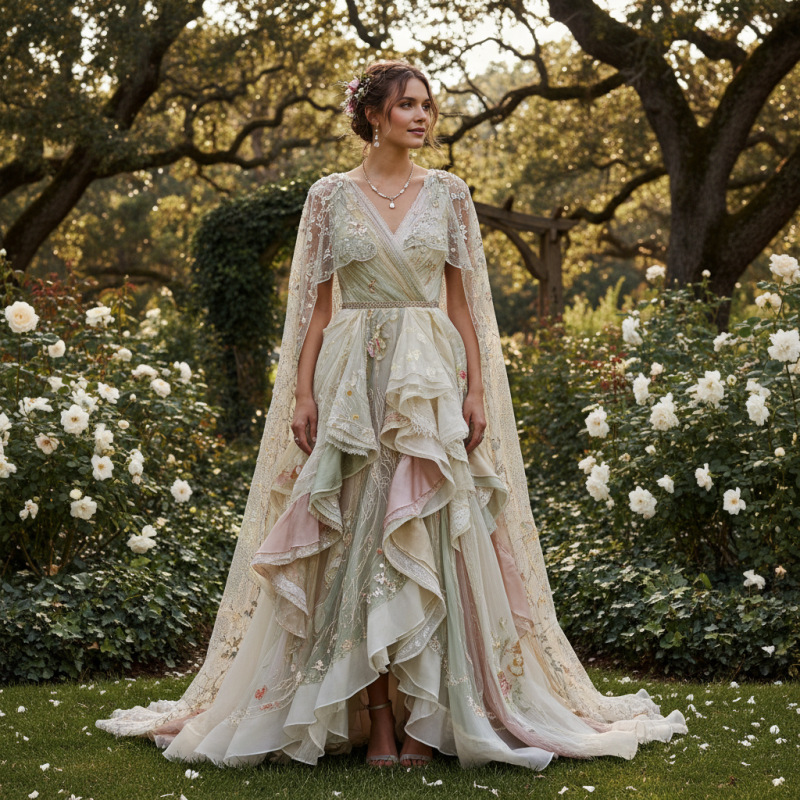
In 2026, wedding dress color palettes are set to shift dramatically. Couples are moving beyond traditional whites and ivories. Soft pastels and deep jewel tones are gaining popularity. Consider shades like lavender, blush blue, and rich emerald. This transformation reflects a desire for personalization and uniqueness in wedding attire.
As the wedding scene evolves, brides should feel empowered to express their individuality. Choosing distinctive colors can make a bold statement. For example, a pastel mint gown can radiate freshness, while a deep navy dress exudes elegance. Explore colors that resonate with your personality and wedding theme.
Tip: Test swatches in various lighting. Colors can look different in sunlight versus softer indoor lighting. This step ensures you select the perfect hue.
Occasionally, bold choices may bring hesitation. Some may fear vibrant colors won’t age well in photos. Nonetheless, capturing authentic moments outweighs this concern. Embrace risks; it could lead to stunning results. Your wedding dress is a canvas for creativity.
Top Wedding Dresses Trends You Need to Know in 2026
The chart above displays the emerging color palettes for wedding dresses in 2026, highlighting the predicted popularity of various colors. Pastel blues and classic whites lead the trend, while bold reds show a growing presence.
Innovative Fabric Choices Shaping Wedding Dress Designs
As we look forward to the wedding dress trends of 2026, innovative fabric choices are taking center stage. Designers are experimenting with sustainable materials that not only benefit the environment but also enhance the overall aesthetic of wedding gowns. Consider using organic cotton, which offers a lightweight feel and a unique texture. Such fabrics allow for creative draping techniques and flow, adding character to each piece.
Another exciting trend is the use of 3D-printed materials. This technology opens a world of possibilities, allowing intricate designs and patterns to become reality. Imagine dresses adorned with delicate floral motifs that seem to pop off the fabric. However, the durability and comfort of these innovative fabrics can sometimes be a concern. Brides should be cautious about fit and feel, as some materials may not provide the same comfort as traditional options.
Lastly, eco-conscious fabrics like Tencel and hemp are gaining popularity. They bring a fresh perspective to wedding attire while offering breathability and ease of movement. Yet, the challenge lies in maintaining a balance between style and sustainability, as certain fabrics may not achieve the desired bridal look. It’s essential for brides to explore these choices thoroughly to find what resonates with their vision.
Silhouette Trends: From Classic to Modern in 2026
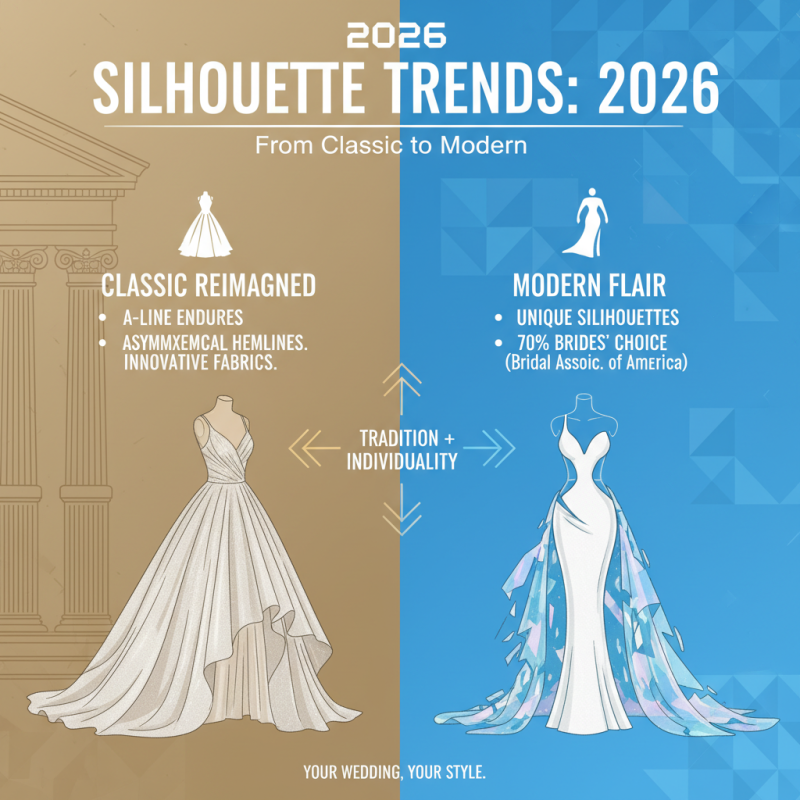
The wedding dress silhouette is evolving rapidly as we enter 2026. Many brides are seeking styles that blend tradition with modern flair. According to the Bridal Association of America, around 70% of brides now prefer unique silhouettes that reflect their individuality. Classic A-line dresses remain popular, but they are being reimagined with asymmetrical hemlines and innovative fabrics.
Modern silhouettes are also gaining traction. The rise in demand for fitted mermaid gowns is noticeable, especially in sustainable fabrics. Reports indicate that nearly 40% of brides are choosing eco-friendly materials. This indicates a shift towards a more conscious consumerism in the wedding industry. The challenge for designers is to balance style with comfort. Many brides find that extremely fitted gowns can restrict movement, raising questions about practicality.
Additionally, the influence of cultural diversity is impacting silhouette trends. Many couples are embracing ethnic motifs and structures in their attire. This has led to the introduction of hybrid designs that parallel classic Western styles with traditional elements. Observing these trends encourages industry professionals to think critically about inclusivity and representation. The landscape is changing, and it’s essential to adapt while maintaining quality and authenticity in wedding fashion.
Sustainable Designs: Eco-Friendly Wedding Dress Trends
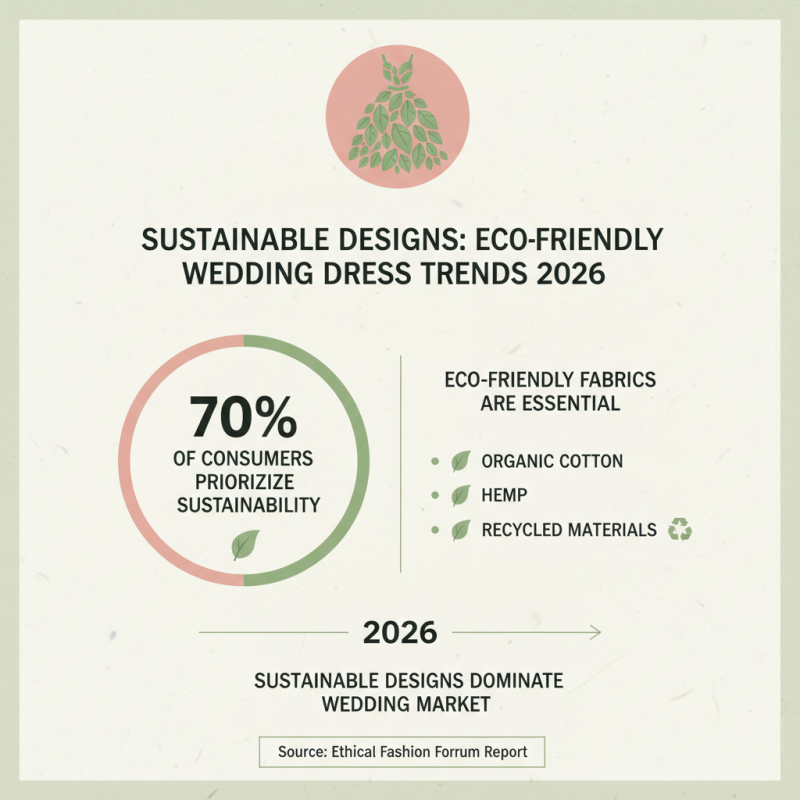
In 2026, sustainable designs will dominate the wedding dress market. Eco-friendly fabrics have become essential for modern brides. According to a recent report by the Ethical Fashion Forum, 70% of consumers prioritize sustainability in their purchasing decisions. This shift is driving designers to create gowns from organic cotton, hemp, and recycled materials.
Brides are embracing transparency about garment production. They want to know where their dresses come from and how they are made. Statistics show that 60% of brides are willing to pay more for an eco-friendly gown. However, many struggle to find options that combine style with sustainability. This gap in the market invites innovation and challenges designers to think creatively.
The future of wedding dresses will also include rental services and second-hand options. A recent survey revealed that 46% of brides are open to renting dresses. This trend reduces waste and promotes a circular fashion economy. Yet, sourcing unique and high-quality rental options remains a concern. As the industry evolves, brides and designers alike must navigate this landscape with thoughtful choices.
Cultural Influences Reshaping Wedding Dress Styles in 2026
Cultural influences are significantly reshaping wedding dress styles in 2026. Diverse cultures are inspiring new designs and trends. According to a report by The Knot, 44% of couples are incorporating cultural elements into their weddings. This number reflects a growing appreciation for unique heritages and traditions.
For instance, traditional Asian dresses, often characterized by vibrant colors and intricate embroidery, are gaining popularity. Fusion styles that blend Western silhouettes with Eastern designs are becoming common. The average wedding dress price is expected to rise by 15% due to demand for custom designs reflecting personal backgrounds. Couples seek authenticity and storytelling in their wedding attire.
Moreover, sustainable practices are also influencing styles. Many brides are gravitating towards eco-friendly fabrics. A recent survey indicates that 32% of brides are concerned about sustainability. This push for eco-conscious choices is prompting designers to innovate while honoring cultural narratives. The path forward lies in finding the balance between tradition and modernity. There’s much to learn and reflect upon as traditions evolve to meet contemporary values.
Top Wedding Dresses Trends You Need to Know in 2026
| Trend |
Description |
Cultural Influence |
Color Palette |
| Sustainable Fabrics |
Greater emphasis on eco-friendly materials and ethical production. |
Environmental awareness and advocacy. |
Earth tones, pastel shades. |
| Bold Colors |
Brides embracing vibrant colors instead of traditional white. |
Cultural heritage and personal expression. |
Deep reds, royal blues, emerald greens. |
| Minimalist Designs |
Clean lines and simplicity take center stage. |
Modern aesthetics and urban lifestyle. |
White, ivory, soft grey. |
| Cultural Elements |
Incorporation of traditional cultural motifs and textiles. |
Cultural pride and heritage recognition. |
Varies by culture - rich hues and intricate patterns. |
| Vintage Revival |
Retro styles inspired by past decades. |
Nostalgia and historical fashion influences. |
Mutes colors, lace, and embellishments. |