Why Is Party Dress a Global Buyer Favorite? The answer begins with its strong balance between visual impact and practical value. A well-designed Party Dress can transform a store display within seconds. Sequins catch the light, satin creates movement, and a defined waist improves the silhouette. These details help buyers imagine real customers wearing the garment at weddings, dinners, graduations, and seasonal celebrations. Retailers also appreciate its flexible selling potential. One style may suit several occasions, age groups, and price levels.
From a buyer’s perspective, demand depends on more than appearance. Reliable suppliers must provide consistent sizing, accurate fabric descriptions, and clear care instructions. They should also offer realistic product photographs and dependable delivery information. A buyer checking samples will notice stitching, lining quality, zipper strength, and color accuracy. Small failures can become expensive returns. Customer preferences differ across regions, so adjustable straps, inclusive sizing, and breathable materials can improve market performance. Local climate matters too. A heavy velvet design may struggle in warm markets.
Still, popularity does not guarantee success. Some buyers may overestimate trend-driven demand. Others may ignore comfort while chasing dramatic details. That is a mistake. A beautiful dress must remain wearable after the photograph. Responsible sourcing, transparent communication, and quality checks strengthen long-term trust. The global appeal of Party Dress comes from its emotional promise, yet its commercial value depends on practical execution. That promise needs evidence. Endless sparkle is not enough.
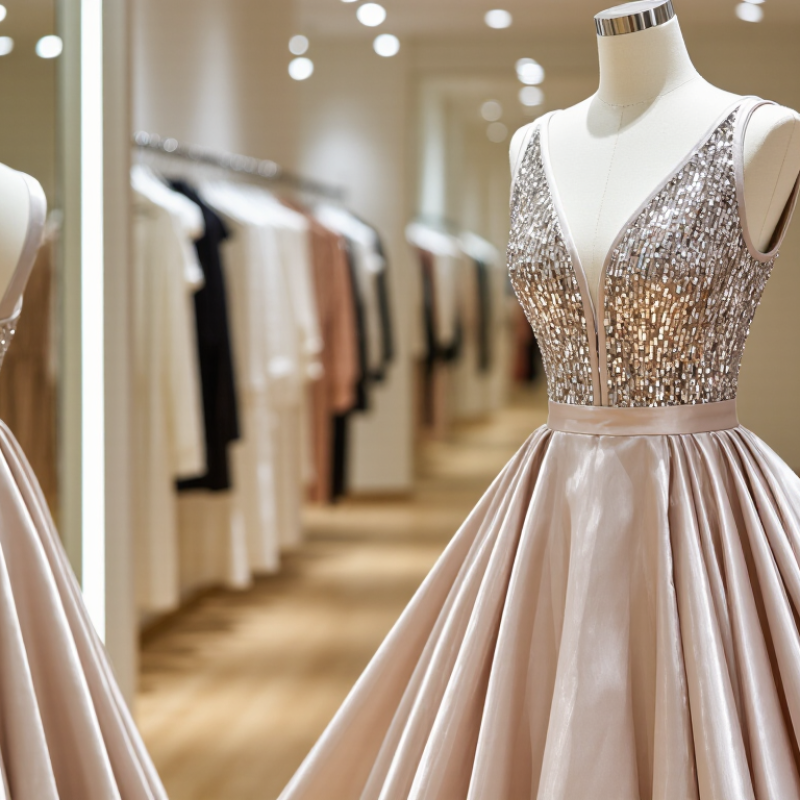
A party dress is more than a bright garment worn after sunset. It combines occasion-led design, visible detail, and practical movement. Satin can catch restaurant lighting, while sequins create texture during a crowded dance. A fitted waist may shape the silhouette, but breathable lining still matters. Comfort matters. The definition changes across markets. In one city, a short dress may suggest celebration; elsewhere, a longer cut feels more appropriate. Color, fabric, sleeve length, and modesty therefore shape the local meaning of partywear.
Industry data supports this flexible appeal. Statista Market Insights estimates global apparel revenue will exceed US$1.7 trillion in 2025, showing the scale of international clothing demand. McKinsey & Company’s State of Fashion 2025 describes fashion growth as modest and consumers as increasingly value-conscious. A party dress must therefore offer more than visual impact. Buyers often assess rewear potential, fabric quality, delivery reliability, and easy styling before purchasing. One dress may need to work for a wedding dinner, holiday gathering, or evening event.
This is where global sellers sometimes misread the category. More sparkle does not always mean more relevance. A lightweight dress with adjustable straps may outperform a dramatic design in warmer regions. Yet climate, cultural expectations, and event customs can be difficult to measure online. Product images cannot show every movement. Sizing remains imperfect. That uncertainty deserves honest descriptions, precise measurements, and clear fabric information. A successful party dress feels celebratory, but it should also survive real life.
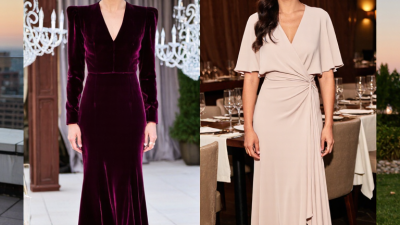
Party dresses remain popular because they serve several social occasions, not just formal parties. Demand often increases before wedding seasons, graduation events, holiday gatherings, and evening celebrations. Wedding guests usually prefer elegant silhouettes, soft colors, and comfortable fabrics for long ceremonies. Graduation shoppers often seek shorter styles with movement and affordable pricing. Evening event customers may choose satin textures, subtle sparkle, or deeper colors.
Small details matter.
Wholesale buyers usually divide demand by customer profile and event purpose. Independent boutiques often select versatile styles that can work for dinners, receptions, and birthday parties. Online sellers may prioritize eye-catching details, clear size charts, and product photos showing fabric texture. Event planners typically value consistent quality, reliable delivery windows, and styles suitable for different body types. Experienced buyers also inspect seams, lining, zipper strength, colorfastness, and fabric recovery before placing larger orders.
Fit remains difficult.
A dress can look attractive in a sample but feel restrictive after several hours. Some buyers still underestimate this issue. They may focus on glitter, color, or low pricing, then face more returns later. Better purchasing decisions combine trend awareness with practical testing, including movement checks and measurements across multiple sizes. Seasonal demand is also less predictable than it appears, especially when weather, local celebrations, or changing social habits affect customer preferences.
Party dress succeeds globally because celebration has many visual languages. A sequined mini dress may suit a nightclub in London, while a flowing maxi dress feels more appropriate for a family celebration in Dubai. Buyers also interpret color differently. Red can suggest luck in China, confidence in Western markets, or ceremony in parts of South Asia. Design variety is not decoration. It is market intelligence.
Grand View Research valued the global apparel market at approximately USD 1.74 trillion in 2023, showing the scale of competition. The McKinsey State of Fashion 2024 report also describes fashion demand as increasingly fragmented across regions and consumer groups. This fragmentation rewards adaptable collections. Modest sleeves, adjustable lengths, breathable fabrics, and jewel tones can serve different cultural expectations without losing a party mood. Still, assumptions can fail. A floral print may appear festive in one market but feel too casual elsewhere. Designers need local feedback, not stereotypes.
Tips: Offer several silhouettes, not one “global” shape. Show garments on diverse body types and styling contexts. Check fabric weight against local climates. Review color meanings with regional buyers. Small details matter.
Dresses that include removable straps or overlay pieces create practical choice. This matters for guests attending religious, family, or formal events. According to the 2024 Global Fashion Agenda and McKinsey Fashion CEO Agenda, circular design and material responsibility are becoming stronger industry priorities. Better construction can support both cultural flexibility and longer wear. Yet trend speed still encourages waste. A beautiful dress is not automatically a responsible one.
A comparative overview of how climate, cultural customs, and occasion practices influence party-dress preferences worldwide
| Market Region | Primary Occasion Pattern | Common Design Preferences | Cultural or Environmental Driver | Commercial Opportunity | Adaptability Score |
|---|---|---|---|---|---|
| North America | Weddings, proms, holiday parties, and evening social events | Body-conscious silhouettes, satin finishes, sequins, cut-outs, and a wide range of lengths | Strong preference for individual styling and occasion-specific self-expression | Offer multiple fits, statement details, and interchangeable accessories | High |
| Western Europe | Cocktail events, civil ceremonies, cultural celebrations, and formal dinners | Refined tailoring, midi lengths, understated embellishment, and versatile day-to-evening designs | Demand for polished styling, repeat wear, and seasonally adaptable clothing | Develop elegant designs that can be dressed up or down across several occasions | High |
| Middle East | Family celebrations, weddings, religious festivities, and evening gatherings | Long hemlines, higher necklines, sleeves, flowing shapes, layered fabrics, and rich embellishment | Modesty expectations combined with a strong tradition of formal celebration dressing | Provide coverage options, detachable sleeves, lining, and ornate but comfortable detailing | Very High |
| South Asia | Weddings, engagement ceremonies, festivals, and family events | Vibrant colors, intricate surface decoration, flowing skirts, coordinated sets, and dramatic sleeves | Large multi-day celebrations and the cultural importance of festive clothing | Create coordinated color stories, occasion tiers, and designs suitable for extended celebrations | Very High |
| East Asia | Formal dinners, weddings, seasonal events, and professional social functions | Clean lines, balanced proportions, delicate details, pastel or neutral palettes, and modest coverage | Preference for neat presentation, subtle sophistication, and proportion-conscious styling | Focus on precise fit, lightweight structure, and refined details rather than excessive decoration | High |
| Southeast Asia | Weddings, religious and cultural celebrations, dinners, and resort events | Breathable fabrics, lighter construction, floral prints, bright colors, and flexible sleeve options | Warm, humid climates and the coexistence of modern, traditional, and modest dress preferences | Use airy materials, lining options, adjustable details, and designs that transition between indoor and outdoor events | Very High |
| Latin America | Festivals, weddings, dances, family celebrations, and nightlife | Fitted waists, movement-friendly skirts, vivid colors, prints, ruffles, and expressive necklines | Strong social role of music, dance, celebration, and expressive personal style | Combine visual impact with comfort, stretch, secure construction, and ease of movement | Very High |
| Africa | Weddings, ceremonies, festivals, religious events, and community gatherings | Bold color combinations, prints, structured shapes, statement sleeves, and decorative detailing | High value placed on color, craftsmanship, identity, and ceremonial presentation | Develop distinctive prints, adaptable silhouettes, and breathable options for warm climates | Very High |
| Oceania | Outdoor weddings, races, summer celebrations, dinners, and resort occasions | Lightweight fabrics, relaxed tailoring, floral patterns, midi lengths, and weather-conscious layering | Outdoor lifestyles, variable weather, and demand for practical occasion dressing | Offer breathable fabrics, sun-conscious coverage, versatile layers, and easy-care construction | High |
Interpretation note: The table summarizes broad, non-brand-specific design patterns based on climate, cultural dress customs, and commonly observed occasion-wear practices. Preferences vary significantly within each region and should not be treated as survey results or market-share rankings.
Why Is Party Dress a Global Buyer Favorite?
A party dress wins when it feels easy before it looks impressive. Shoppers want soft lining, flexible movement, and a waistband that stays comfortable after several hours. Fit matters just as much. A dress may appear elegant online, yet feel restrictive when sitting, dancing, or climbing stairs. According to NRF and Appriss Retail, U.S. consumers returned an estimated 16.9% of retail purchases in 2024, valued at about $890 billion. The report covers all retail categories, not partywear alone. Still, it shows why accurate measurements and honest product details matter.
Easy styling also reduces purchase hesitation. A versatile dress can work with simple heels, flat shoes, a small bag, or a jacket. That practical flexibility supports value-conscious shopping, a trend discussed in The State of Fashion 2025 by McKinsey & Company and The Business of Fashion. Buyers are comparing cost, wearability, and occasion value more carefully. In real use, a comfortable dress often gets worn again. That is the stronger purchase story.
Retail data cannot explain every emotional decision. People still buy sparkle, color, and confidence. I sometimes underestimate that part. Yet comfort remains visible in small details: breathable fabric, secure straps, a useful hem length, and pockets when possible. Clear size charts help, but they are not perfect. Body shape varies widely, and online fit prediction still deserves more honesty. A global favorite is rarely only beautiful. It is dependable at 8 p.m., under warm lights, with a full evening ahead.
Comfort, fit, and easy styling are key purchase influences in the apparel shopping journey.
Comfort and fit lead the comparison, showing that shoppers want partywear to look polished without sacrificing wearability. Easy styling and fabric quality also support purchase confidence, while versatility helps shoppers justify buying a dress for multiple occasions.
The chart uses a 0–100 relative consumer-priority index based on commonly reported apparel shopping considerations. It is not company, brand, or sales data.
Online shopping has changed how people find party dresses across borders. A shopper in Nairobi, Toronto, or Lisbon can view similar styles within minutes. Product pages often include fabric photos, measurements, lining details, and care instructions. Clear size charts help, although sizing still varies between sellers. Customer reviews add practical experience, especially when buyers describe height, fit, and fabric weight. These details make a satin dress feel less like a distant guess.
Cross-border payment services and multilingual websites have widened access to eveningwear. Search filters let customers compare sleeve lengths, colors, prices, and delivery times. A buyer can choose a modest design for a family celebration or a brighter style for an outdoor event. Reliable sellers publish fiber content, shipping terms, and return conditions before checkout. This transparency supports informed decisions.
Still, online photos can flatter a garment, and screen colors may look different at home. That remains a real weakness.
For sellers, online demand reveals useful regional patterns. They can study searches for velvet in colder markets or breathable blends in warm climates. However, numbers need context. A sudden trend may reflect a holiday season, not lasting demand. Local customs, body shapes, and climate still influence purchases. A dress admired in one city may feel impractical in another. Careful size guidance, honest photography, and responsive service often matter as much as decoration. Small errors remain costly.