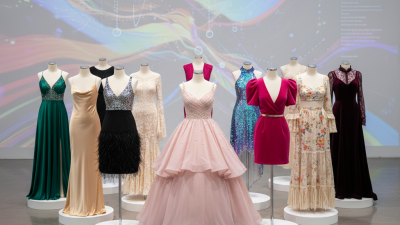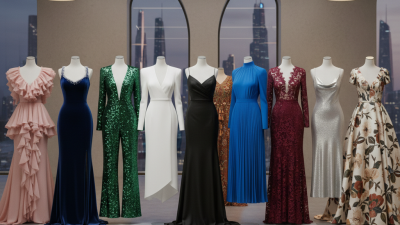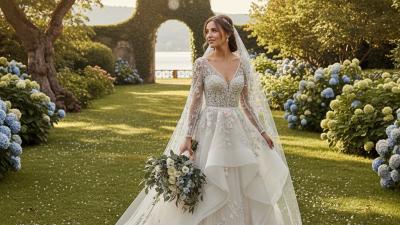
Buying Evening Dresses wholesale is a numbers game, but taste still decides the final sale. The Business Research Company’s 2024 Apparel Global Market Report valued the worldwide apparel market at approximately $1.84 trillion. It also identified continued growth through online retail and changing consumer preferences. Those figures suggest opportunity, not guaranteed profit. Eveningwear can sell quickly during wedding, gala, and holiday seasons. It can also remain unsold when colors, sizing, or fabric choices miss local demand.
This guide explains seven practical checks for wholesale buyers. You will compare supplier reliability, minimum order quantities, fabric quality, size ranges, delivery schedules, and return terms. Examine every seam. Request current samples before placing a larger order. A glossy product image cannot reveal weak lining, scratchy sequins, or inaccurate color. McKinsey and The Business of Fashion’s State of Fashion 2025 report also highlights cautious growth and persistent pressure on fashion margins. Therefore, a low unit price may become expensive after alterations, delays, and dead stock.
Quality remains central. Fashion designer Giorgio Armani’s well-known principle says, “The difference between style and fashion is quality.” That idea fits wholesale Evening Dresses closely. A dress must photograph beautifully, feel comfortable, and survive fitting-room handling. No spreadsheet replaces inspection. Still, inspection alone is not enough. Buyers should question their assumptions, especially when a supplier promises unusually fast delivery or dramatic discounts. The following tips turn those doubts into a clearer buying process, while leaving room for judgment, testing, and occasional mistakes.
Wholesale evening dress buying starts with measurable requirements, not attractive sample photos. Define the size range, size curve, minimum order quantity, and acceptable measurement tolerance. A 2023 NRF and Appriss Retail report estimated that 14.5% of U.S. retail sales were returned. Fit errors can quickly damage wholesale margins.
Fit comes first. Request graded measurement charts for the bust, waist, hip, shoulder, and full length. Check whether the supplier measures from the same points every time. Evening dresses also need reliable lining, secure seams, smooth zippers, and colorfast fabric. Ask for test results when possible, especially for dark or heavily dyed materials. One overlooked detail is fabric opacity under bright event lighting.
Test before scaling. Order samples in more than one size and inspect them after movement, steaming, and careful packing. Check sequins, beads, and appliqués for loose edges. The International Trade Centre’s apparel guidance emphasizes clear specifications and quality control records for consistent production. Use those records to confirm fabric composition, inspection stages, carton dimensions, and delivery dates.
Your purchase file should state acceptable defects, replacement procedures, labeling requirements, and packaging standards. It should also identify responsible contacts and approval deadlines. A supplier may promise flexibility, but vague promises are difficult to enforce. I have seen buyers focus on unit price and ignore alteration costs. That mistake feels small at first. It is not. Allow room for imperfect forecasts, because formalwear demand can shift with seasons, events, and local preferences.

When buying evening dresses wholesale, supplier reliability matters more than a low catalog price. In my purchasing work, I request two samples before discussing a large order. One sample checks stitching and lining. The other tests fit after gentle cleaning. Ask for recent production photos, not only polished website images. Clear answers matter.
A dependable supplier provides a complete size chart, fabric composition, color options, MOQ, lead time, and payment terms. Ask whether measurements are taken manually. Small differences can change a customer’s fit. Request a written inspection standard, including seam strength, zipper movement, bead security, and packaging. I also compare the sample with the product description. Discrepancies are warning signs. I once trusted a promising sample too quickly. The bulk shipment revealed uneven hems. That mistake taught me to approve a pre-shipment sample.
Communication should remain consistent after the quotation. Test response times with specific questions. A reliable team explains delays instead of hiding them. Check business registration, warehouse details, and production experience through verifiable records. Use a small trial order when possible. Never rely on impressive promises alone. Keep invoices, approved measurements, and inspection photos in one file. Supplier reviews help, but they are not proof. Your own checks still matter. Good partnerships grow slowly.
Use this 100-point checklist to compare wholesale evening dress suppliers. Product quality, sample approval, pricing transparency, delivery reliability, minimum order quantity, compliance documentation, and after-sales support are key factors when selecting a dependable supplier.
When buying evening dresses wholesale, inspect quality before judging the silhouette. Textile Exchange’s Materials Market Report 2024 reports that polyester represented 57% of global fiber production in 2023. That figure makes fabric evaluation essential, not optional. Check fiber content, fabric weight, surface recovery, and opacity under bright light. Inspect under hard light. Satin should fall smoothly without excessive snags. Stretch fabrics should recover after gentle pulling. A rich hand feel can mislead.
Construction often separates a dependable dress from a costly problem. Examine shoulder seams, armholes, hems, and zipper attachments. Even stitches should remain secure, with no loose threads or puckering. Test seam strength by applying light, controlled tension. Review lining placement, especially around the bust and side seams. Poor lining can twist during fitting. Ask suppliers for colorfastness and shrinkage test results, preferably from independent laboratories. Textile Exchange also recorded global fiber production at 124 million tonnes in 2023, reminding buyers that material volume does not guarantee performance.
Fit deserves practical testing. Measure several sample sizes, rather than approving one sample alone. Check movement while sitting, walking, and raising both arms. The 2024 NRF and Appriss Retail Returns Report estimated that 16.9% of U.S. retail sales were returned. Weak fit and construction can contribute to avoidable returns. I still reject dresses with beautiful fabric but unstable seams. That judgment is not flawless. Lighting, body shape, and repeated wear can expose weaknesses that samples hide. Record measurements, fabric details, and inspection photographs before placing a bulk order.
Compare the landed price, not only the dress price. Ask for tiered quotes at 20, 50, and 100 pieces. Record fabric, lining, embellishment, size range, and packing costs. A low quote may exclude pressing, cartons, or quality inspection. Request one sample before placing a larger order. It can reveal uneven hems and weak zippers.
Check the minimum order quantity carefully. A supplier may require 50 pieces per style, color, or size. Confirm whether mixed sizes count toward the MOQ. Smaller test orders reduce unsold stock, but they often carry higher unit prices. McKinsey’s State of Fashion 2024 report describes a cautious fashion market, making inventory discipline especially important. My practical rule is simple: test demand before chasing a discount.
Compare shipping by total cost and delivery risk. Ask for air, sea, and consolidated freight quotes. Confirm transit time, insurance, tracking, customs paperwork, and warehouse delivery fees. DHL’s 2024 E-Commerce Trends Report found that 81% of shoppers may abandon checkout when their preferred delivery option is unavailable. That pressure starts earlier for wholesalers. Leave buffer time for festivals and port delays. I once underestimated carton volume; the final freight bill was unpleasant. Use a written quotation with an expiration date, and check every assumption before payment.
7 Tips for Buying Evening Dresses Wholesale
Checking Sizes, Customization Options, and Return Policies
Wholesale evening dresses can look perfect in photos, yet sizing often tells another story. Ask for the full measurement chart before placing a large order. Compare bust, waist, hip, shoulder, and dress length with your own records. Do not rely only on small, medium, or large labels. A fitting sample can reveal tight armholes, uneven hems, or stiff lining. Keep written measurements and confirm the supplier’s tolerance range. A few centimeters matter.
Ask whether the supplier supports color, fabric, neckline, sleeve, or length changes. Request fabric swatches when possible. Screen colors may appear different from the real material. Confirm customization fees, minimum quantities, production timing, and approval procedures. A simple sketch helps prevent misunderstandings. I have found that vague details create expensive corrections. Still, customization is not always better. Complex changes may affect fit and consistency across sizes.
Read the return policy slowly, including wholesale exclusions. Check how defective items, incorrect sizes, damaged packaging, and delayed shipments are handled. Ask who pays return shipping and how claims must be documented. Photos, inspection notes, and order records provide useful evidence. Confirm the inspection deadline in writing. Do not assume sale items are returnable. That assumption can hurt. Before committing, order a small test batch when practical. Review stitching, closures, measurements, and packaging yourself. A reliable supplier should answer clearly, not pressure you to skip checks.
| No. | Buying Tip | What to Check | Useful Wholesale Question | Practical Benchmark | Risk Level |
|---|---|---|---|---|---|
| 1 | Verify the Size Chart | Compare bust, waist, hip, shoulder, and hollow-to-hem measurements with the supplier’s chart. Do not rely on S, M, L, or numerical labels alone. | Are measurements shown in centimeters or inches, and are they body measurements or garment measurements? | Request a measurement chart and measure a reference garment or model before placing a bulk order. | High |
| 2 | Order a Pre-Production Sample | Inspect fabric weight, lining, stitching, zipper operation, embellishment security, color, and overall fit before committing to a larger quantity. | Can the sample be produced in the intended color and size, and will its cost be credited against the bulk order? | Keep the approved sample or detailed photos as the quality reference for production. | Medium |
| 3 | Confirm Customization Options | Check whether changes to neckline, sleeve style, hem length, fabric, color, lining, closures, or modesty panels are available. | Which modifications affect the unit price, minimum order quantity, sample fee, and production time? | Obtain written specifications, sketches, or approved photos before production starts. | Medium |
| 4 | Review the Minimum Order Quantity | Determine whether the minimum applies per style, color, size, or total order. Confirm whether size mixing is permitted. | Can the order combine different sizes and colors while meeting the stated minimum? | Create a size-and-color breakdown that matches your sales forecast instead of ordering only one size. | Medium |
| 5 | Check Fabric and Color Consistency | Ask about fabric composition, care instructions, color-lot variation, sheerness, stretch, and how embellishments are attached. | Will all pieces in the same order use fabric from the same color lot? | Request a fabric swatch or physical color sample when color accuracy is important. | Medium |
| 6 | Read the Return and Defect Policy | Check the reporting deadline, accepted evidence, treatment of size issues, defective goods, incorrect items, shipping costs, refunds, replacements, and customized products. | Are customized or sale items returnable, and who pays return shipping for verified defects? | Save the policy, invoice, order details, and inspection photos in writing. | High |
| 7 | Calculate the Full Landed Cost | Include the dress price, sample fees, customization charges, packaging, freight, customs duties, taxes, payment fees, alterations, and possible inspection costs. | Which charges are included in the quotation, and which costs may be billed separately? | Compare suppliers using total delivered cost per usable dress, not the listed unit price alone. | Medium |