How to Choose the Best Puffer Jacket for Winter Weather?
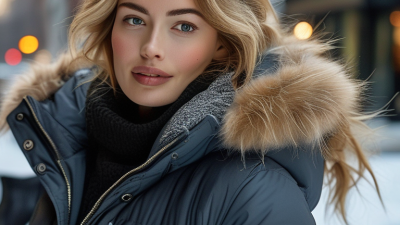
As winter approaches, choosing the right puffer jacket becomes crucial. According to renowned fashion expert Emily Winter, "A good puffer jacket should balance warmth with style." This statement resonates with many, as the right puffer jacket can significantly enhance your winter wardrobe.
When selecting a puffer jacket, consider the insulation material, fit, and functionality. A high-quality puffer jacket typically uses down or synthetic insulation. Down jackets are lightweight and warm but may lose insulation when wet. Synthetic options offer better moisture resistance but can feel bulkier.
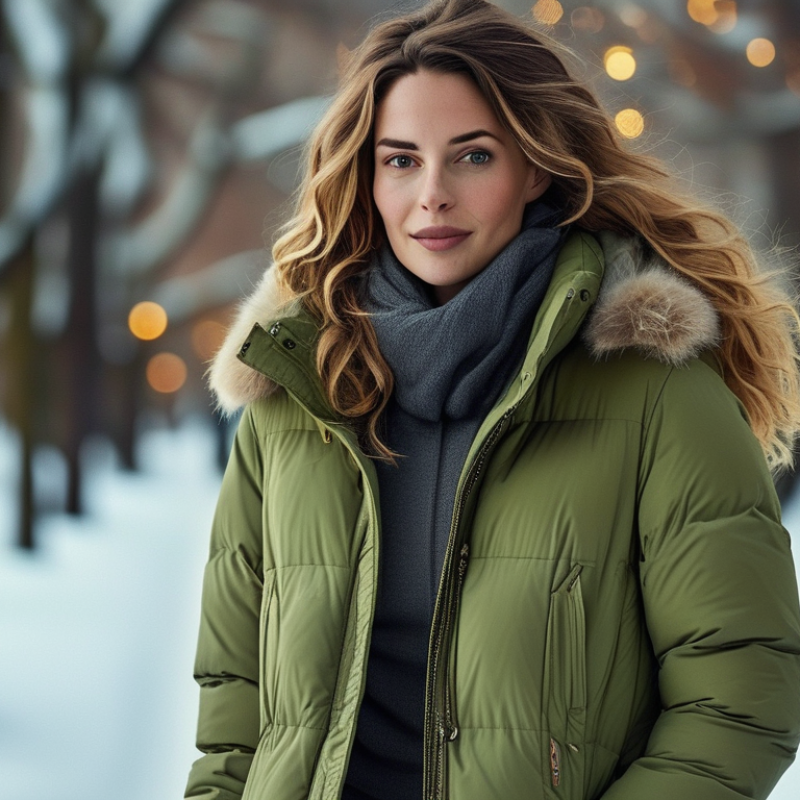
Style also plays a role in your decision. A well-fitted puffer jacket can accentuate your shape while keeping you cozy. Yet, many find it challenging to choose between functional designs and trendy aesthetics. As you sift through options, remember that the best puffer jacket should cater to your specific needs for warmth and style this winter.
Understanding the Insulation Types in Puffer Jackets
When choosing a puffer jacket for winter, it's essential to understand the insulation types available. The two primary options are down and synthetic insulation.
Down insulation comes from the undercoating of birds, usually ducks or geese. It offers excellent warmth-to-weight performance. However, down is less effective when wet, and it can lose its insulating properties if not cared for properly.
On the other hand, synthetic insulation is made from man-made fibers. These materials continue to insulate even when wet, making them a reliable choice for wet climates. Synthetic jackets tend to be bulkier but can also be more affordable. It's crucial to consider your specific needs when selecting insulation. For instance, if you frequently find yourself in wet, snowy conditions, a synthetic option may be more practical.
In addition, the fill power of down insulation can significantly impact warmth. Higher fill power means better insulation with less weight. However, price often increases with fill power. This creates a dilemma: pay more for the highest quality, or choose a more budget-friendly option. Ultimately, finding the right balance between warmth, weight, and price requires some reflection on your winter activities and climate.
Evaluating Material Quality for Durability and Comfort
Choosing a puffer jacket for winter involves assessing material quality. The right fabric enhances durability and comfort. Look for breathable materials that also provide insulation. Advanced synthetic fabrics often trap heat without adding bulk. Natural insulations like down offer warmth but require careful maintenance. You want to stay warm, but the fabric should be easy to care for.
**Tips:** Check the fill power if opting for down. A higher fill power means better insulation without increased weight. For synthetic materials, ensure they’re water-resistant. This prevents moisture build-up and keeps you cozy.
Another aspect to consider is the inner lining. A smooth, comfortable lining can enhance wearability. It should feel good against your skin, essential during long winter outings. Sometimes, jackets with rougher linings can irritate, leading to discomfort.
**Tips:** Feeling overwhelmed? Start by trying on different jackets. Assess how each one fits and moves with you. A perfect size will balance style and functionality, ensuring you stay warm without sacrificing mobility. Keep an open mind and take notes on what feels best for you.
Assessing Jacket Fit and Style for Best Performance
When selecting a puffer jacket for winter, fit and style are crucial for performance. A well-fitted jacket traps heat effectively and allows for ease of movement. According to a study by the Outdoor Industry Association, 70% of consumers prioritize fit over other features. The right fit ensures insulation does its job without making you feel restricted.
Style matters as much as functionality. Many prefer a silhouette that suits their personal aesthetic. Keep in mind that longer jackets provide more warmth, while cropped styles offer a trendy look. Reports show that 40% of consumers feel better when their clothing reflects personal style. However, this can lead to compromises on warmth in some designs.
In terms of practicality, assess the jacket's weight. Heavier jackets often keep you warmer, yet they can be cumbersome. Lighter options are more versatile but may not provide adequate insulation for extremely cold temperatures. A balance is key, but even the best choices may leave room for discomfort. Reflecting on your daily needs can guide you to the perfect balance of fit and style.
Analyzing Weather Resistance Features in Puffer Jackets
When selecting a puffer jacket for winter weather, it's crucial to analyze its weather resistance features. Insulation types vary significantly. Some jackets use synthetic materials, while others rely on down feathers. Each has its pros and cons. Synthetic insulation may perform better when wet, but down often offers superior warmth-to-weight ratios. Understand which suits your climate best.
Water resistance is another key factor. Look for jackets with water-repellent coatings to stay dry in light rain or snow. Breathable fabrics are also essential. They help moisture escape, preventing clamminess. A jacket can be warm, but if it traps moisture inside, it won't be comfortable.
Consider the fit and design as well. A snug fit retains warmth, but it should still allow for layering underneath. Features like adjustable hoods and hems add functionality. Reflect on your winter activities. If you plan on climbing or skiing, additional safety features, like reflective elements, become essential. Balancing warmth, weight, and weather resistance leads to a better choice for winter adventures.
Weather Resistance Features in Puffer Jackets
Exploring Added Functionalities and Features in Design
Choosing the right puffer jacket involves examining added functionalities and design features. Insulation types, such as down or synthetic, significantly impact warmth. According to the Outdoor Industry Association, about 60% of winter jacket buyers prioritize insulation performance. A jacket with high-fill power down offers remarkable warmth-to-weight ratio but can be less effective when wet. Understanding personal needs is crucial.
Weather resistance features are also vital. Jackets with DWR (Durable Water Repellent) coatings can repel moisture effectively. A study from the American Textile Manufacturers Institute found that 55% of jacket wearers experienced discomfort from moisture. Look for adjustable hoods, cuffs, and hems, which enhance fit and warmth retention. These functional elements transform a standard jacket into a versatile winter companion.
Reflecting on your climate is essential. If living in humid conditions, moisture-wicking features are critical. However, some jackets compromise style for functionality. Research shows that 40% of consumers wish for better aesthetic designs in functional wear. Each element’s balance can lead one to question if performance necessitates a shift in style.
How to Choose the Best Puffer Jacket for Winter Weather? - Exploring Added Functionalities and Features in Design
| Feature |
Description |
Importance |
Considerations |
| Insulation Type |
Down or synthetic filling providing warmth |
High |
Down is warmer but less water-resistant |
| Water Resistance |
Resistance to moisture from snow and rain |
High |
Look for waterproof or water-resistant coatings |
| Breathability |
Ability to allow moisture to escape |
Medium |
Critical for high-activity use |
| Weight |
Overall heaviness of the jacket |
Medium |
Lightweight options are preferable for mobility |
| Packability |
Ease of packing for travel |
Medium |
Look for jackets that can compress into a small bundle |
| Style and Fit |
Design choices and how it drapes on the body |
High |
Choose a fit that accommodates layers underneath |
| Additional Features |
Hoods, pockets, and zippers |
Varies |
Assess based on personal needs and activities |