A-line gowns are often described as the most popular type of wedding dress. Their fitted bodices and gently widening skirts create a clear waist without restricting movement. Picture a bride stepping across grass, sitting for dinner, then turning beneath the reception lights. The shape can work for all three moments. Still, popularity is not a universal rule.
The Knot Worldwide’s 2024 Real Weddings Study offers useful industry context. It reported an average wedding-dress spend of about $2,000 among surveyed U.S. couples. That figure reflects budget choices, not a definitive ranking of silhouettes. The distinction matters: reports may track what couples spend more consistently than which cut they love most. An A-line gown is a strong starting point, but local boutiques, sample availability, and changing fashion all affect what brides actually choose.
Oscar de la Renta, a celebrated designer of bridal and eveningwear, offered a useful style principle: “Fashion is about dressing according to what’s fashionable. Style is more about being yourself.” For Wedding Dresses, that advice makes the question more personal. A-line may be a popular answer, yet the best choice depends on comfort, venue, and the way a bride wants to feel. Popularity helps narrow the search. It cannot make the decision for you. And that is worth remembering.
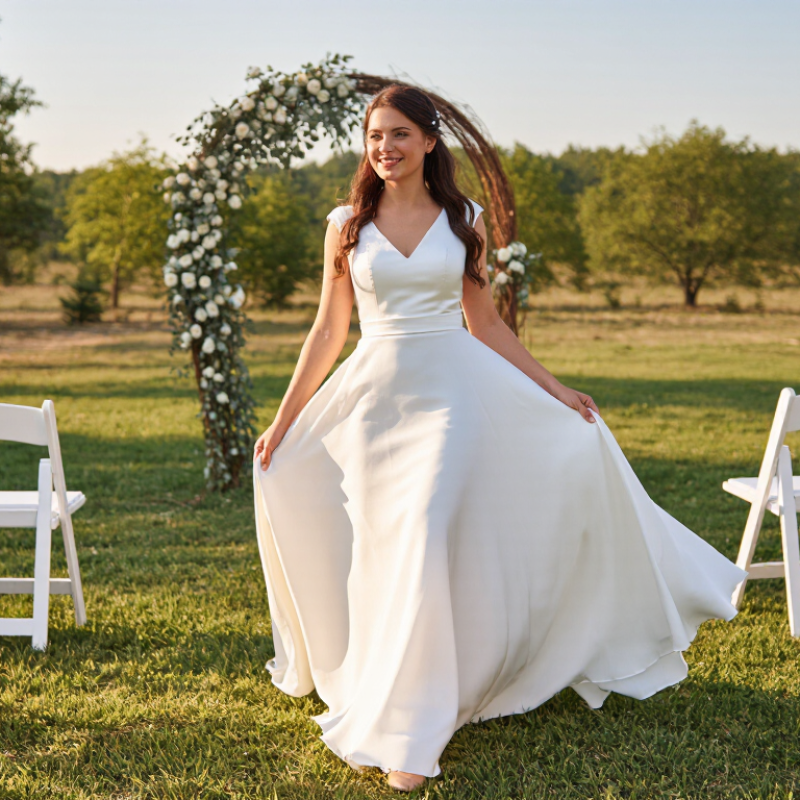
The A-line wedding dress remains the most popular silhouette because its shape is easy to understand and comfortable to wear. A fitted bodice meets the skirt at the natural waist, then the fabric gradually widens toward the hem. The result resembles a capital A. Simple, but effective.
That gradual flare gives many wearers room to walk, sit, and move without a very full skirt. It can also balance proportions, though no silhouette flatters everyone in exactly the same way. The fit through the shoulders, bust, and waist still matters. A loose bodice can look untidy, while a skirt that is too stiff may feel harder to manage than expected. Fabric changes the effect, too: soft crepe tends to fall close to the body, while structured satin holds a clearer shape.
There is a practical reason this style appears so often in bridal shops. Its moderate skirt volume usually works with a range of venues, from a small garden ceremony to a formal hall. Yet popularity has a trade-off. An A-line gown can feel familiar, even predictable, if every detail is restrained. A textured bodice, a defined waist seam, or a lighter skirt can make the shape feel more personal without changing its balanced outline.
What Is the Most Popular Type of Wedding Dress?
How an A-Line Gown Is Designed
An A-line gown follows a simple shape: a fitted bodice meets the waist, then the skirt gradually widens toward the hem. Its outline resembles a capital A. In the 2023 U.S. Real Weddings Study, about 39% of surveyed brides chose an A-line silhouette, making it the most popular reported style. The shape works across many fabrics, but the result changes noticeably with each one. Crisp mikado holds a clean outline; soft chiffon moves more freely.
Construction starts with the bodice. Darts or shaped seams create a closer fit, while a waist seam joins the skirt. Skirt panels are cut wider toward the bottom, creating gentle flare without requiring a very full, layered skirt. A lining can add coverage and stability. Still, “flattering” is not automatic: a waist seam placed slightly too high or low may feel awkward when sitting or dancing. That detail is easy to overlook.
Tip: Try the gown while seated and walking, not just in front of a mirror. Ask a tailor to check the waist seam and hem with your intended shoes. A small adjustment can change how the whole silhouette hangs.
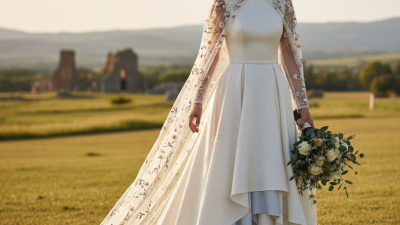
How an A-line gown is designed: The bodice is fitted, and the skirt gradually widens from the waist to create an A-shaped outline. Train length is a separate design choice, and does not indicate how popular a silhouette is.
Train lengths shown are common approximate ranges in inches; conventions can vary between designers.
A-line dresses appeal to many brides because they balance shape and movement. The fitted bodice defines the waist, while the skirt opens gradually toward the hem. That gentle flare can feel easier to walk and sit in than a very full skirt. It also works with many fabrics, from crisp mikado to soft tulle. Small details matter: a clean waist seam can sharpen the silhouette, while light lace can soften it.
The 2022 Real Weddings Study reported that A-line was the most commonly chosen wedding-dress silhouette, at about 27%. That figure reflects surveyed couples, not every bride or market. Still, it helps explain why the shape appears so often in bridal fittings. Its proportions suit many venue styles, from a garden aisle to a formal ballroom. It can also accommodate practical preferences, such as a less restrictive skirt or a bodice with added support.
Versatility is not magic. A stiff fabric may make an A-line feel heavier than expected, and the wrong waist placement can disrupt the balance. Brides should sit, walk, and lift their arms during fittings, not just admire the mirror view. Comfort changes the whole day. I would also question the idea that one silhouette flatters everyone; body proportions, movement, and personal taste deserve more weight than a popularity ranking.
“Most popular” depends on the wearer, setting, and season; no single dress detail suits every wedding. Satin gives a smooth surface and structured shape, while crepe drapes closely and can show seam or fit issues. Tulle adds airy volume, and lace brings texture, often through appliqués or sleeves. One useful distinction: satin describes a weave, not a fiber. Textile Exchange’s Materials Market Report 2024 estimated polyester made up about 57% of global fiber production in 2023. That figure covers all textiles, not bridal gowns, so it cannot tell us which wedding-dress fabric is most common. It does, however, underline why checking a garment’s fiber content matters.
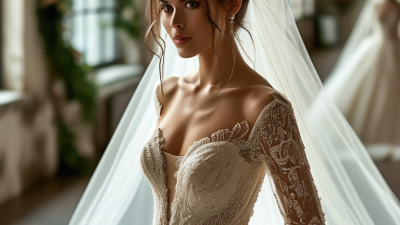
Necklines change both appearance and how a gown feels in motion. A sweetheart neckline curves across the chest; a square neckline creates crisp angles, while a high neckline offers more coverage. Strapless styles may feel less secure during dancing unless the bodice fits well. Small details matter. Sleeves, detachable overskirts, and removable straps can shift a dress from ceremony to reception, but added layers may feel warm or heavy. There is no perfect formula, and online photos can hide stiffness, transparency, or awkward movement. Try sitting, raising your arms, and walking before settling on a fabric or neckline.
| Dress Type | Shape and Fit | Common Fabrics | Common Necklines | Popular Variations |
|---|---|---|---|---|
| A-line | Fitted through the bodice, then gradually widens from the waist. Its balanced shape suits many settings and personal styles, making it a widely chosen option. | Satin, mikado, chiffon, tulle, lace, and organza | V-neck, sweetheart, scoop, square, and off-the-shoulder | Minimalist satin A-line, lace-appliqué skirt, soft chiffon layers, or a design with a train |
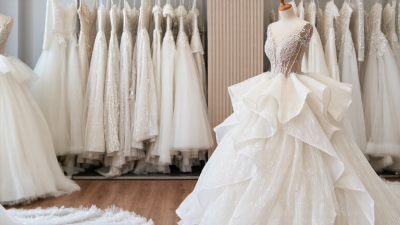
| Ball gown | Usually has a fitted bodice and a full skirt, creating a more dramatic silhouette. | Tulle, organza, satin, mikado, and lace | Sweetheart, strapless, square, bateau, and V-neck | Layered tulle skirt, embroidered bodice, detachable overskirt, or natural-waist design |
| Sheath | Falls in a relatively straight line close to the body, with less skirt volume than an A-line or ball gown. | Crepe, satin, chiffon, lace, and lightweight silk fabrics | High neck, bateau, V-neck, square, and cowl | Clean crepe sheath, lace overlay, side slit, or open-back design |
| Mermaid | Fitted through the bodice, waist, and hips, then flares below the knees or lower on the skirt. | Stretch crepe, satin, lace, and structured mikado | Sweetheart, strapless, off-the-shoulder, and V-neck | Soft-flare trumpet variation, lace-covered bodice, detachable overskirt, or chapel train |
| Tea-length | Typically has a skirt that falls between the knee and ankle, leaving more of the lower legs visible. | Tulle, organza, satin, lace, and cotton blends | Boat neck, scoop, sweetheart, and square | Full retro-inspired skirt, simple fit-and-flare shape, or a layered tulle design |
Fabric note: Satin describes a weave rather than a specific fiber; it can be made from silk or manufactured fibers. Mikado is a structured fabric commonly used for fuller skirts and clean, defined shapes. The best choice depends on comfort, season, venue, and preferred silhouette.
An A-line dress is a popular choice because its fitted bodice gradually flares from the waist, creating a clear, balanced silhouette. The shape works with many body types, but it is not automatically comfortable or flattering for everyone. Comfort matters. Pay attention to where the waist seam sits; even a small shift can change how the skirt falls and feels.
Choose fabric with your venue and movement in mind. A lighter skirt may feel easy on a warm outdoor day, while a structured fabric can hold its shape in a formal setting. During a fitting, sit, walk, and lift your arms. Notice whether the bodice stays in place and whether the hem catches under your shoes. These small checks are more useful than judging the dress in one mirror pose.
Consider how much volume you want. A fuller skirt can feel dramatic, but it may be harder to move through narrow aisles or crowded tables. I would not treat “A-line” as one fixed look; neckline, waist placement, and fabric all change the effect. Bring the shoes you expect to wear, and ask a seamstress how the dress may need adjusting. A gown that looks perfect standing still may need another fitting once you move.