
Leave Your Message

10 Tips for Buying Wedding Dresses Worldwide?

Buying Wedding Dresses across borders can feel glamorous, yet the process is rarely simple. A photograph may show delicate lace, but it cannot reveal fabric weight, lining quality, or movement. Customs duties, exchange rates, shipping delays, and alteration costs can change the final price quickly. Fit is another challenge. A size chart is not a fitting room.

The Knot’s 2023 Real Weddings Study surveyed nearly 10,000 couples and reported an average United States wedding dress cost of about $2,000. That figure covers one market, not the world. Regional labor costs, luxury positioning, local traditions, and currency changes create very different budgets. Grand View Research also identifies bridal wear as a growing global market, supported by online shopping and international designers. Growth brings choice, but not always clarity.

Vera Wang, a leading bridal designer, once said, “A woman is never sexier than when she is comfortable in her clothes.” Comfort matters beyond appearance. It affects walking, sitting, dancing, and confidence during long celebrations. This guide offers ten practical tips for comparing Wedding Dresses worldwide, from verifying measurements to checking return policies and delivery schedules. Keep records. Ask direct questions. Request fabric samples when possible.

Some advice may still fail in real life. A trusted review can overlook poor after-sales service. A beautiful dress can arrive with unexpected creasing. That is why careful buyers should leave time for inspection and alterations. Beauty is important, but reliability protects the experience.
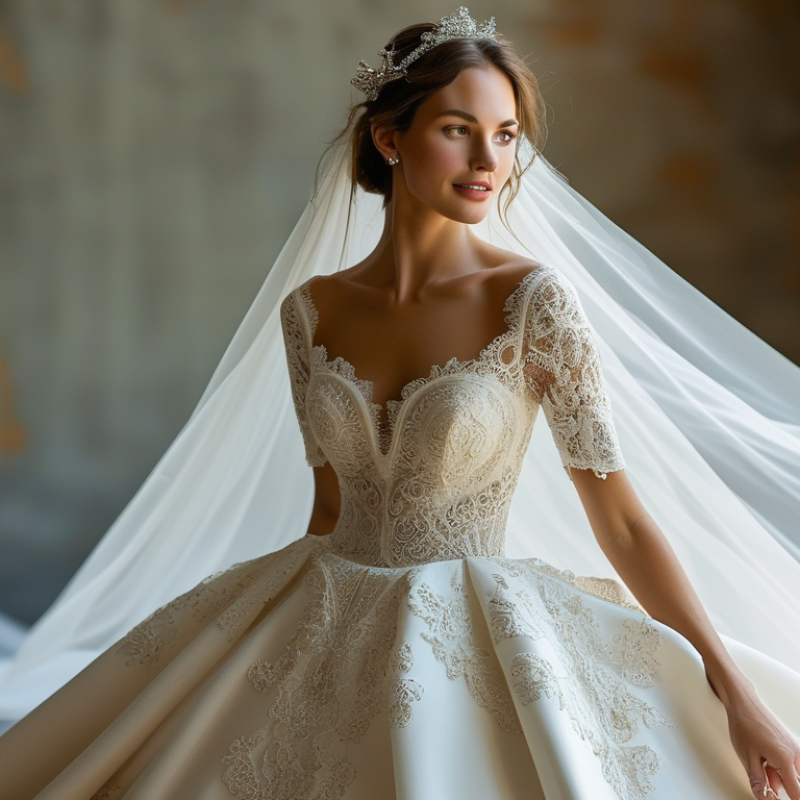
10 Tips for Buying Wedding Dresses Worldwide?

Define Your Wedding Dress Style, Budget, and Essential Requirements

Before browsing international wedding dress collections, define the feeling you want to wear. Do you imagine clean satin, soft lace, flowing chiffon, or structured sleeves? Save three visual references, not thirty. Too many images can blur your judgment. Notice the neckline, waist shape, train length, and movement in each example. Your venue matters too. A heavy ball gown may feel beautiful indoors but awkward on a windy beach.

Set a complete budget, including alterations, shipping, taxes, cleaning, and possible rush fees. Keep a small emergency margin. Around ten percent can protect your plans from unexpected fitting changes. A professional fitter should measure your bust, waist, hips, and hollow-to-hem length carefully. Ask how the measurements should be taken. One loose tape measure can create an expensive mistake. Compare the seller’s size chart with your actual measurements, rather than choosing your usual clothing size.

Write your essential requirements before ordering. You might need supportive construction, covered shoulders, pockets, a shorter train, or fabric suitable for warm weather. Ask for close-up fabric photos and a clear construction description. Request the production timeline in writing. Also check alteration options near your home, because international returns may be difficult or costly. I would not rely only on polished photographs. Lighting can hide transparency, color differences, and uneven seams. A dress can look nearly perfect online and still require thoughtful adjustment. That is normal, but it should be part of your decision.
10 Tips for Buying Wedding Dresses Worldwide

Define your wedding dress style, budget, and essential requirements before ordering internationally.

The chart presents practical planning benchmarks in months before the wedding. Allowing more time for made-to-measure designs, international delivery, customs clearance, and alterations can reduce fit and timing risks.

Compare International Designers, Retailers, and Custom-Made Options

Buying a wedding dress worldwide means comparing more than photographs and prices. International designers may offer distinctive fabrics, skilled construction, and unusual silhouettes. However, check size charts, delivery dates, alteration access, and import charges before paying. The DHL E-Commerce Trends Report 2024 found that 57% of shoppers buy from retailers outside their home countries. Cross-border shopping is normal, but bridal orders need stricter planning. A late dress cannot be fixed by enthusiasm.

Retailers usually provide clearer return policies and faster customer support. Yet, sample sizing can distort expectations. A dress may look graceful online but feel heavy under warm ceremony lighting. Request fabric swatches and ask for measurements at the bust, waist, and hips. The Knot’s 2024 Real Weddings Study reported an average wedding-dress spend of about $2,000 in the United States. Compare the complete cost, including alterations, shipping, duties, and rush fees. The cheapest listing may not be the cheapest decision.

Custom-made dresses offer personal control over neckline, sleeve length, lining, and movement. They also require several fittings and honest communication about construction. Send reference images, but specify what you dislike. Vague instructions create expensive misunderstandings. Ask for a written timeline, material details, and a fitting sample before final production. A practical weakness remains: custom work can exceed its estimate when fabric availability changes. Build a contingency budget and allow extra weeks. Fit still wins.

Check Measurements, Sizing Systems, Fabrics, and Quality Standards

10 Tips for Buying Wedding Dresses Worldwide?

Check Measurements, Sizing Systems, Fabrics, and Quality Standards

Buying a wedding dress internationally requires more than choosing your usual size. Measure your bust, natural waist, hips, and hollow-to-hem length with a soft tape. Wear the undergarments and shoes planned for the ceremony. Measure twice. Small errors matter. Ask whether the chart uses body measurements or garment measurements. These are not interchangeable. Bridal sizing can differ sharply between countries, so never assume your local size will match. Choose a dress that fits your largest measurement, then budget for professional alterations. A seller should explain the measurement method clearly and provide a written size chart.

Fabric descriptions also deserve careful attention. Confirm the fiber content, lining, stretch, lace composition, and weight. A photograph cannot show whether satin feels substantial or looks thin under bright light. Request close images of seams, boning, hems, zippers, and bead attachments. Quality stitching usually has even spacing and secure thread ends. Ask about care instructions and humidity-sensitive materials before shipping. Quality standards may vary across markets, so check labeling, construction details, and alteration support rather than relying on vague claims. My measuring routine is not flawless, especially when another person holds the tape. A local tailor can verify the numbers. That extra appointment may prevent an expensive disappointment. Waist comfort matters too. A beautiful dress still needs room to breathe, sit, and move.

Review Shipping, Import Taxes, Alterations, Returns, and Consumer Policies

10 Tips for Buying Wedding Dresses Worldwide

Tip 1: Request a landed-cost quote before paying. DHL’s 2024 E-Commerce Trends Report found that 56% of shoppers buy from overseas retailers, but delivery surprises remain common. Tip 2: Confirm the courier, tracking method, insurance, and delivery deadline. Tip 3: Ask who pays import tax, customs fees, and brokerage charges. These costs can appear after arrival. Tip 4: Keep the invoice and payment record. Customs may request proof of value.

Tip 5: Measure with a professional seamstress, not only a home tape measure. The Knot’s 2023 Real Weddings Study reported an average wedding-dress spend of about $2,000 in the United States. A poor fit can quickly add hundreds in alterations. Tip 6: Ask for the fabric composition and a detailed size chart. Tip 7: Leave at least eight weeks for tailoring. I once underestimated sleeve adjustments; small changes became expensive. Tip 8: Request fabric swatches when color accuracy matters. Screens can mislead.

Tip 9: Read the return policy before ordering, including deadlines, restocking fees, and return postage. The National Retail Federation estimated that 14.5% of retail sales were returned in 2023. Formalwear may have stricter conditions, especially after alterations. Tip 10: Check the consumer-protection rules applying to the seller and your delivery country. Save every message, measurement, and promised date. Policies can be unclear. Ask direct questions before checkout.

10 Tips for Buying Wedding Dresses Worldwide? - Review Shipping, Import Taxes, Alterations, Returns, and Consumer Policies

Tip What to Check Typical Worldwide Practice Potential Cost or Time Consumer-Protection Point Recommended Action
1. Confirm the measurement method Size chart, measuring units, bust, waist, hip, hollow-to-hem, and height requirements Formalwear sizing often differs from everyday clothing, and international charts may use inches or centimeters 15–30 minutes for careful measuring; professional measuring may cost about $20–$75 A written size chart and measurement instructions reduce disputes about incorrect sizing Measure twice, record the date, and save the submitted measurements and size confirmation
2. Verify fabric and construction details Fiber content, lining, boning, closures, beadwork, opacity, and whether the design is made to order Terms such as “satin,” “lace,” and “silk-like” can describe different materials; fiber content is more informative Material differences can affect cleaning, comfort, durability, and alteration costs Product descriptions should not create a misleading impression about the composition or finish Request written specifications and close-up photos before placing a high-value order
3. Calculate delivery time realistically Processing time, dispatch time, carrier transit, customs delay, and the wedding date Ready-to-ship items can be faster; made-to-order dresses may require several weeks or months before dispatch Allow at least 8–12 weeks before the event, plus time for fitting and possible corrections A promised dispatch date is not always the same as the final delivery date Order early, choose tracked delivery, and ask what happens if the stated timeline is missed
4. Review shipping terms Shipping method, tracking, insurance, signature requirement, delivery restrictions, and address changes International parcels may be transferred between postal and private-carrier networks and can require customs information Tracked express delivery often costs more than standard service; delays may occur during customs processing The seller’s policy should identify responsibility for loss, damage, or an undeliverable parcel Check the tracking number, delivery address, insurance limit, and signature procedure immediately after dispatch
5. Estimate import taxes and customs charges Destination tariff classification, customs value, VAT or sales tax, brokerage, and handling fees Charges vary by destination, declared value, textile classification, trade rules, and whether tax is collected at checkout The final amount may include tax plus a carrier or customs-broker fee; it cannot be reliably inferred from postage alone A low product price does not guarantee low landed cost, and incorrect declarations can create legal and delivery problems Use the destination customs authority’s calculator or tariff guidance and budget for charges before ordering
6. Budget for professional alterations Hem length, bust and waist fit, straps, bustle, cups, sleeves, zipper, and embellishment placement Most wedding dresses require at least some fitting, especially when ordered online or shipped internationally Basic alterations may cost about $100–$400; complex lace, beading, or structural work can cost more Alteration work is usually separate from the purchase contract and may not be refundable once performed Get a local written estimate and schedule the first fitting 6–10 weeks before the wedding
7. Read the return and cancellation policy Return window, exclusions, restocking fees, return address, refund method, and made-to-order rules Made-to-order, personalized, altered, worn, or hygiene-sensitive garments may have restricted or no voluntary returns International return postage can be expensive and may be non-refundable; refund processing may take several business days A seller’s voluntary policy does not necessarily remove mandatory rights for faulty, misdescribed, or undelivered goods Save a copy of the policy at checkout and confirm the deadline in your calendar
8. Check the inspection and evidence rules When to inspect, acceptable proof of damage, packaging requirements, photographs, and notification deadline Many sellers require prompt notice of visible damage or incorrect items, often with photos of the parcel and garment Inspection usually takes 10–20 minutes; keep all packaging until the issue is resolved Documenting condition helps distinguish shipping damage, manufacturing defects, and fitting issues Unbox carefully, photograph the unopened parcel, inspect under good lighting, and contact the seller in writing
9. Review payment and dispute options Currency conversion, transaction fees, payment security, deposits, chargeback rules, and invoice details Exchange rates and international card fees can change the final cost; some orders require a deposit before production Foreign-exchange fees commonly depend on the card issuer; payment disputes have time limits and evidence requirements A secure payment method and written invoice provide stronger records than informal transfers Pay through a protected method, retain the invoice, and avoid sending payment to an unrelated personal account
10. Identify the applicable consumer policy Seller location, buyer location, governing law, dispute process, warranty or conformity obligations, and contact details Rights differ by jurisdiction; cross-border purchases may involve separate rules for delivery, defects, refunds, and online sales Resolving an international dispute can take longer and may involve translation, local procedures, or cross-border shipping Terms cannot always override mandatory consumer rights in the applicable jurisdiction, but enforcing those rights may be difficult Confirm the seller’s legal identity, physical address, customer-service channel, and dispute procedure before payment

Note: Costs, delivery times, taxes, and consumer rights vary by destination, garment type, seller location, and order details. Confirm the current requirements with the relevant customs authority and local consumer-protection agency before purchasing.

Verify Seller Reputation, Order Safely, and Plan the Delivery Schedule

Buying a wedding dress worldwide requires more than attractive photos and a low price. Begin by checking the seller’s history, contact details, and customer feedback. Look for detailed reviews with real photographs, not repeated comments or vague praise. A reliable seller should answer questions about fabric, lining, measurements, alterations, and return conditions. Ask for recent product photos or a short video before paying. Trust grows through clear answers.

Order details matter. Request a written invoice showing the dress style, color, size, price, shipping fee, and estimated dispatch date. Compare your measurements with the seller’s chart, and ask how tightly the garment should fit. Keep every message and receipt. Use a payment method with buyer protection when available. Avoid sending extra money through unofficial channels. Small omissions can become expensive problems.

Delivery needs a realistic schedule. Allow time for production, transit, customs processing, and possible alterations after arrival. Ask for a tracking number and confirm the delivery address carefully. A wedding dress should arrive several weeks before the ceremony, not several days before it. I once underestimated alteration time, and the final fitting became stressful. Build a backup plan, such as a local seamstress and suitable shoes for measuring the hem. Even experienced buyers can miss a detail when excitement takes over.