10 Tank Top Buying Tips for Global Buyers?
Buying a Tank Top for international markets involves more than choosing a popular color and a low factory price. Global buyers must examine fabric composition, fabric weight, sizing accuracy, stitching quality, labeling, packaging, and delivery reliability. A sample may look excellent under showroom lighting, yet feel different after washing. That small detail can affect returns, reviews, and long-term brand trust.
These ten buying tips focus on practical decisions that purchasing teams can verify. They cover cotton, polyester, blends, recycled fibers, GSM, shrinkage, colorfastness, seam strength, and print durability. Buyers should request clear technical sheets and compare samples from several suppliers. Factory experience also matters. Ask about production capacity, quality inspections, social compliance procedures, and traceable material documentation. Certifications should be checked against recognized standards, not accepted from a simple email attachment.
Cost remains important, but the cheapest Tank Top may create higher expenses later. Rework, inconsistent sizing, late shipments, and weak packaging can damage a seasonal launch. Buyers should confirm minimum order quantities, payment terms, lead times, customs documents, and destination-market labeling requirements before placing an order. Real purchasing work is rarely perfect. A supplier can pass one inspection and still miss a detail in bulk production. For that reason, written specifications, pre-shipment checks, and realistic timelines deserve serious attention. These tips offer a reliable starting point, while each buyer should adapt them to local regulations, customer expectations, and the product’s intended use.
Define Tank Top Types, Uses, and Global Buyer Requirements
10 Tank Top Buying Tips for Global Buyers
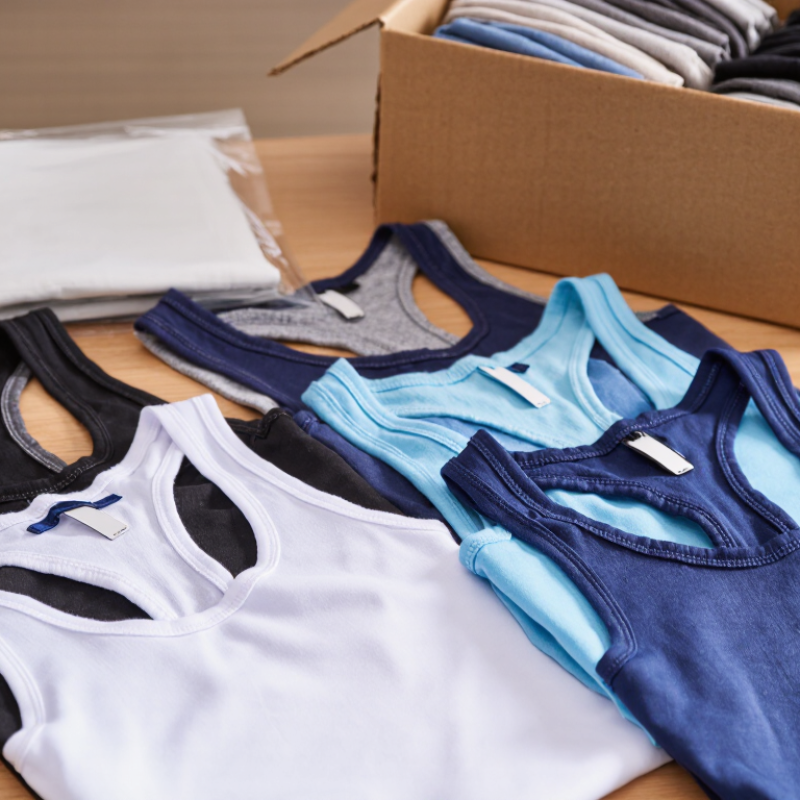
Tank tops vary by cut, fabric, and purpose. A basic cotton tank suits casual retail and warm climates. A moisture-wicking polyester style works better for training and outdoor activities. Ribbed tanks offer stretch, while heavyweight jersey provides stronger structure. Cropped, loose, fitted, and longline designs serve different customer groups. Define the intended use before requesting quotations. Otherwise, a low price may hide unsuitable performance.
Check fabric composition, GSM, colorfastness, shrinkage, and seam strength. For hot regions, lighter fabric and breathable construction matter. For layering, buyers may prefer a smoother surface and stable shape. Request a size chart with finished measurements, not only body measurements. Small grading errors can create large returns across international markets. Test the sample after washing. It may look excellent beforehand.
Global buyers should confirm fiber labels, care instructions, packaging, carton dimensions, and required product documentation. Review the target market’s textile and consumer-safety requirements with a qualified local specialist. Also inspect neck binding, armhole recovery, loose threads, and print durability. Ten samples may reveal more than ten emails. A perfect sample can still expose production weaknesses. I have found that color approval often needs physical swatches, because screens distort warm gray and muted green. Leave room for correction. Late changes remain expensive.
Check Fabric Quality, Weight, Stretch, and Performance Features
For global buyers, tank top quality starts with the fabric, not the hangtag. Ask for the fiber composition and a recent test report. Combed cotton usually feels smoother than open-end cotton. Blended fabrics can improve drying speed and shape retention. Touch the surface. Feel the difference. A rough finish may indicate weak fibers or poor processing. Check for uneven slubs, loose threads, and visible twisting after washing.
Fabric weight affects comfort, packing cost, and season suitability. Lightweight fabric may suit hot climates, but it can become transparent under strong light. Medium-weight jersey often offers better coverage and durability. Request the GSM measurement from several production points. One reading is not enough. I once trusted a single sample measurement, and the bulk shipment felt noticeably thinner. That mistake was costly. Test it wet. Some fabrics cling heavily after absorbing water.
Stretch should be measured with recovery, not only expansion. Pull the armhole and neckline gently, then observe whether they return to shape. A small amount of elastane can improve movement, but excessive stretch may reduce stability. Check seam strength, pilling resistance, shrinkage, colorfastness, and moisture management. Performance claims need evidence from recognized textile testing laboratories. For athletic or outdoor use, review drying time, breathability, and ultraviolet protection data. Wash samples several times before approval. Real wear often reveals problems that a showroom sample hides.
Evaluate Sizing, Fit, Colors, and Customization Options
10 Tank Top Buying Tips for Global Buyers
Sizing should begin with measurements, not labels. A medium is not a universal fact. Use chest, shoulder, body length, and armhole measurements based on ISO 8559-1 principles. Request a graded size chart and a physical sample. Measure it after washing. Fit varies.
Check shoulder seams, neckline recovery, side-seam twisting, and hem balance. A loose armhole may improve airflow but expose too much during movement. A fitted body looks sharper but can reveal fabric transparency. The U.S. National Retail Federation and Appriss Retail reported a 17.6% online return rate in 2023, partly reflecting poor fit decisions. Small fitting errors become expensive across international orders.
Color selection needs physical lab dips, not screen images. Light, humidity, and device settings can distort digital shades. Ask for colorfastness, wash testing, and approved tolerance levels. For customization, confirm fabric weight, print method, embroidery size, neck labels, care labels, packaging, and minimum order quantities. Textile Exchange reported that polyester represented about 57% of global fiber production in 2023, so compare recycled content claims carefully. Request certification evidence and material percentages. I still prefer testing two fabric weights before committing. It costs more initially. It can prevent a weak, see-through garment. Custom options sound simple, but placement changes, color matching, and size grading often need separate approvals.
10 Tank Top Buying Tips for Global Buyers: Sizing, Fit, Colors, and Customization
Use this checklist to evaluate the most important purchasing dimensions. The values represent the number of practical verification points recommended for each area before placing an order.
Review Compliance, Packaging, Shipping, and Import Responsibilities
10 Tank Top Buying Tips for Global Buyers
Before ordering ten tank-top styles, assign compliance duties clearly.
The importer of record remains responsible for entry accuracy, duties, taxes, and product labels.
Confirm fiber percentages, care instructions, country of origin, and destination-specific textile rules.
Request test reports for colorfastness, shrinkage, and restricted substances.
“Tested” is not enough.
Check the method, date, laboratory scope, and sample identity.
HS classification also matters because tariff rates differ by destination.
The World Customs Organization’s Harmonized System provides the international classification framework.
Packaging deserves equal attention.
Specify folded dimensions, carton limits, inner bags, carton marks, and moisture protection.
Use handling symbols consistent with ISO 780, but do not treat them as shipping documents.
Prepare the commercial invoice, packing list, bill of lading, HS code, and origin statement.
UNCTAD’s Review of Maritime Transport reports that over 80% of global merchandise trade by volume moves by sea.
Delays are expensive.
The 2023 World Bank Logistics Performance Index collected feedback from 4,090 logistics professionals across 139 economies, highlighting customs and shipment reliability as practical concerns.
Calculate freight, duty, VAT or GST, broker fees, testing, storage, and relabeling.
Ask who files the import entry and pays demurrage.
“Delivered” sounds convenient, but it is incomplete.
Name the Incoterm and place under Incoterms 2020.
Recheck claims such as recycled content or plastic-free packaging.
Evidence may be required.
A low quote can hide destination charges.
Even a careful checklist can fail.
What happens if two percent of labels are wrong?
Create a correction plan before production, not at the port.