Buying Casual Trousers in bulk can reduce unit costs, but a low quote alone does not make a sound order. Retailers, uniform buyers, and online sellers need to weigh fabric feel, fit consistency, stitching, color accuracy, and delivery timing together. A sample reveals details a product sheet cannot: waistband recovery, pocket depth, seam finish, and how the fabric drapes after sitting. Small details matter. Request a size set, not just one attractive sample, and compare its measurements with your customer data. No size curve works everywhere. That is easy to miss.
These ten tips explain how to assess suppliers, check product quality, and plan quantities before committing to a large purchase. Verify fabric details, care instructions, minimum order quantities, production capacity, and whether bulk colors match the approved sample. Also review packaging, delivery schedules, payment terms, and the supplier’s process for addressing defects. Keep written records. Calculate the full cost, including freight and storage, rather than focusing only on the price per pair. When demand is uncertain, a smaller test order may be wiser, even if the unit price is higher. Bulk buying ties up cash and space; discounted stock can still become slow-moving stock. Even experienced buyers can misjudge demand. A practical checklist helps turn assumptions into questions that suppliers can answer clearly.
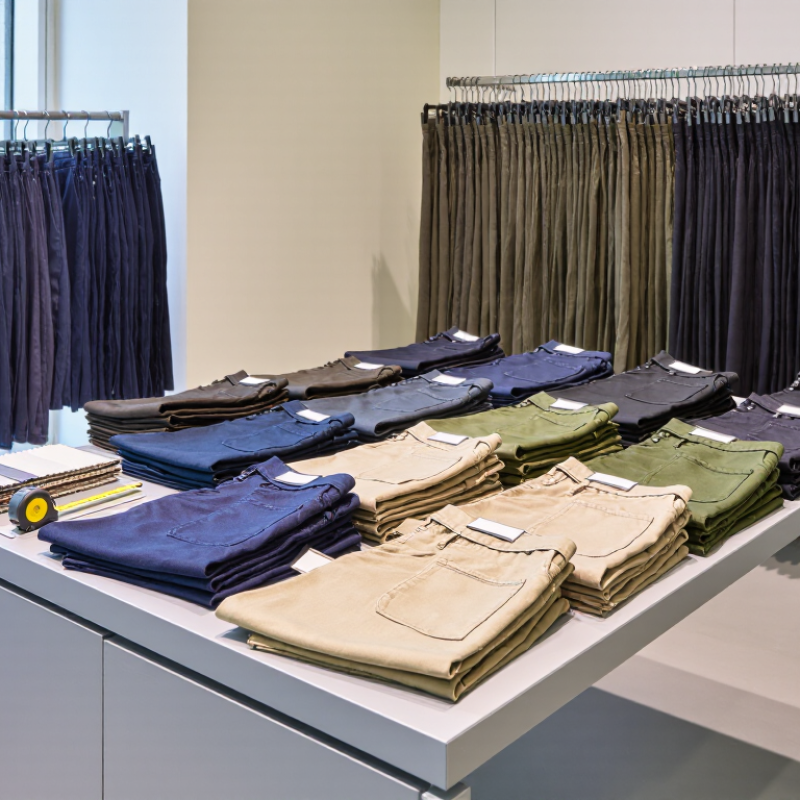
Before requesting quotes, define who will wear the trousers and where they will use them. Office staff may need a cleaner finish, while warehouse teams often value stretch and reinforced seams. Note expected wear frequency, washing conditions, and seasonal temperatures. Small details matter. A lightweight cotton blend may feel comfortable indoors but crease quickly during travel. Decide whether easy care, breathability, or durability matters most; no fabric excels at everything.
Map your size range using actual demand, not a neat guess. Review past sales or staff measurements, then check waist and inseam coverage for the people receiving the order. Leave room for exchanges. For a first order, request samples in several sizes and test them after washing; shrinkage can change the fit. Confirm color consistency, pocket depth, closure type, and stitching before approving production. Set quantities by size and color, and ask how repeat orders will match the first batch. Forecasts still miss. I would avoid ordering heavily in one popular size just because last month’s numbers looked strong. A modest buffer helps, but excess stock ties up cash and storage space.
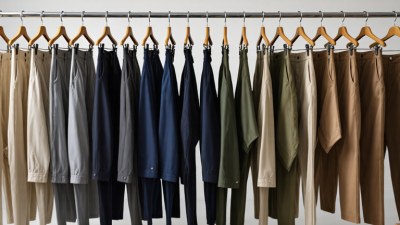
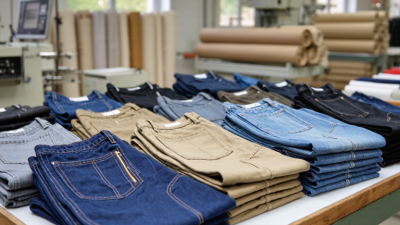
Buying casual trousers in bulk starts with fabric, because hand feel and performance vary across a full day. Cotton twill offers a familiar texture and works well for everyday wear, while a small amount of stretch can improve comfort when sitting or walking. For warmer conditions, lighter cotton blends may feel less heavy. Ask for fabric swatches and wash-test them; color and shrinkage can differ from the sample.
Tip: Match the fabric to the expected use. Check the waistband, seams, and pocket lining on a finished sample, not just a fabric card. Fit is less predictable than a size chart suggests. Compare measurements across several sizes, including waist, rise, thigh, and inseam. A straight cut often suits varied wardrobes, while tapered legs look neater but may feel tight over larger calves. Leave room for real bodies.
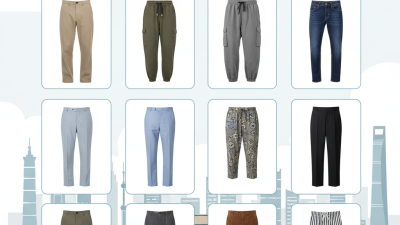
Choose versatile colors, such as navy, charcoal, or khaki, if the trousers need to work with many tops. Confirm that the chosen cut remains comfortable when the wearer bends or climbs stairs. It is easy to focus too much on appearance. I would also request a small pre-production run before committing to a large quantity, since one fitting can expose an awkward rise or pocket placement. Keep notes on each sample; memory is unreliable.
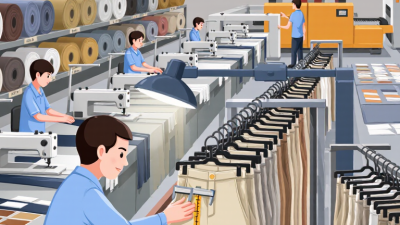
When buying casual trousers in bulk, evaluate the supplier’s process, not just a sample’s neat stitching. Request fabric specifications, production capacity, defect records, and recent test reports. A polished sample can hide inconsistent bulk production. Fashion Revolution’s 2023 Fashion Transparency Index assessed 250 major fashion companies and reported an average transparency score of 26%. That gap makes traceability worth checking. Ask who mills the fabric, where trousers are sewn, and whether subcontractors are disclosed. Request records.
Then test trousers from several sizes and cartons, not just one hand-picked piece. Check seam strength, shrinkage, colorfastness, pocket alignment, and waistband recovery after washing. For a practical check, measure the inseam before and after laundering a sample under the care instructions. Textile Exchange’s 2024 Materials Market Report estimates global fiber production reached 124 million tonnes in 2023. That scale makes clear material specifications essential: confirm fiber content and batch consistency against the order sheet. I still find size grading easy to underestimate; a good medium does not guarantee a reliable size run. Keep a signed sample and written tolerances for measurements, shade, and workmanship.
A low unit price can hide costs that matter. Compare the same fabric weight, stitching, pocket design, and size range across quotes. Ask whether freight, packaging, labels, and sample fees are included. For example, a pair quoted at a lower price may cost more after shipping and finishing charges. Small details matter. It is tempting to compare only unit prices, and I would catch myself doing that too. Request a sample and check its measurements, seams, and fabric feel before approving a large order.
Minimum order quantities can apply to the whole order, each color, or each size. Check the breakdown carefully: a 300-pair minimum may require 300 pairs per color. That can leave slow-selling sizes sitting in storage. Ask whether the supplier allows a mixed-size run, and get the answer in writing. Payment terms deserve equal attention. Confirm the deposit, balance due date, accepted currency, and any transfer fees before placing the order. A deposit followed by payment after inspection may reduce risk, but terms vary. Keep every quote and payment condition together; even careful buyers can overlook one line.
Larger orders may receive lower unit prices, but compare the total order cost with your budget and expected demand. These figures are illustrative examples, not supplier quotes; confirm minimum order quantities, shipping costs, and payment terms directly with suppliers.
10 Tips for Buying Casual Trousers in Bulk
Planning Sizing, Shipping, and Inventory Management
Bulk trouser orders work best when sizing follows real demand, not equal quantities per size. Review sales records by waist, inseam, color, and season before setting your size curve. If records are thin, order a smaller test run and check fit on several body types. No size curve is perfect. Leave room to adjust.
Tip: Confirm garment measurements against a physical sample, including rise and leg opening. Ask the supplier to pack sizes in clearly labeled cartons. Before shipment, verify carton counts, delivery dates, and who pays for delays or damage. A few missing cartons can disrupt a launch. Check it weekly.
Inventory planning matters after delivery, too. Use a simple stock sheet or inventory system to track units received, sold, reserved, and reordered. Set reorder points based on actual sales and supplier lead times, with a modest buffer for delays. The National Retail Federation’s 2024 Retail Returns Landscape estimated returns at 16.9% of U.S. retail sales; that figure covers retail broadly, not trousers alone. It still underlines why clear fit details and consistent quality checks matter. Review slow-moving sizes early, and adjust future buys rather than repeating a weak size mix.
| Tip | Planning area | Recommended action | Example planning data | Check before ordering |
|---|---|---|---|---|
| 1 | Review demand | Use recent sales and returns to estimate demand rather than relying on a generic size curve. | Compare at least 8–12 weeks of sales by size, color, and trouser fit. | Separate seasonal spikes and promotions from regular demand. |
| 2 | Build a size curve | Allocate units across sizes using your own sales history; treat this sample as a starting point only. | Sample 500-unit order: XS 25, S 75, M 125, L 125, XL 100, XXL 50. | Confirm the size labels and garment measurements match the supplier’s size chart. |
| 3 | Check fit and measurements | Review waist, hip, inseam, rise, and leg opening measurements for each size. | Request a measurement spec sheet and a pre-production sample before confirming bulk quantities. | Agree on measurement tolerances in writing. |
| 4 | Test a small assortment | If demand is uncertain, start with a smaller quantity or a limited color range before scaling up. | Track sell-through and size-related returns during the first 2–4 weeks after launch. | Set a review date before placing a repeat order. |
| 5 | Confirm product specifications | Document fabric composition, weight, color, closures, pockets, labels, and packaging requirements. | Use one approved specification sheet for every color and size in the order. | Approve fabric and color samples before production begins. |
| 6 | Plan lead time | Ask for production and transit estimates separately, then add time for receiving and inspection. | Example schedule: 5 weeks production + 3 weeks transit + 1 week receiving buffer = 9 weeks planned lead time. | Confirm the actual schedule, shipping method, and dispatch date for each order. |
| 7 | Compare shipping costs | Compare total landed cost, including freight, duties, taxes, handling, and any delivery surcharges. | Request a written quote showing the shipping terms, estimated charges, and delivery destination. | Check who is responsible for customs clearance and import charges. |
| 8 | Set a reorder point | Calculate a reorder point using average demand during lead time plus safety stock. | Example: 40 units per week × 5 weeks lead time + 40 units safety stock = 240-unit reorder point. | Calculate separately for important sizes and colors where demand differs. |
| 9 | Track inventory accurately | Record stock by style, color, and size, and update inventory when goods are received, sold, or returned. | Reconcile the purchase order, packing list, and received unit count for every shipment. | Keep damaged, returned, and saleable units in separate stock statuses. |
| 10 | Inspect and review | Check the delivery for quantity, labeling, measurements, visible defects, and packing condition. | Log discrepancies by size and color, and share documented issues promptly with the supplier. | Compare actual sales, returns, and leftover stock with the original forecast before reordering. |
Example quantities and timelines are planning illustrations; adjust them to your sales history, supplier commitments, and shipping route.