




0102030405
The 36th China International Wool Textile Congress Concludes Successfully
2025-12-04
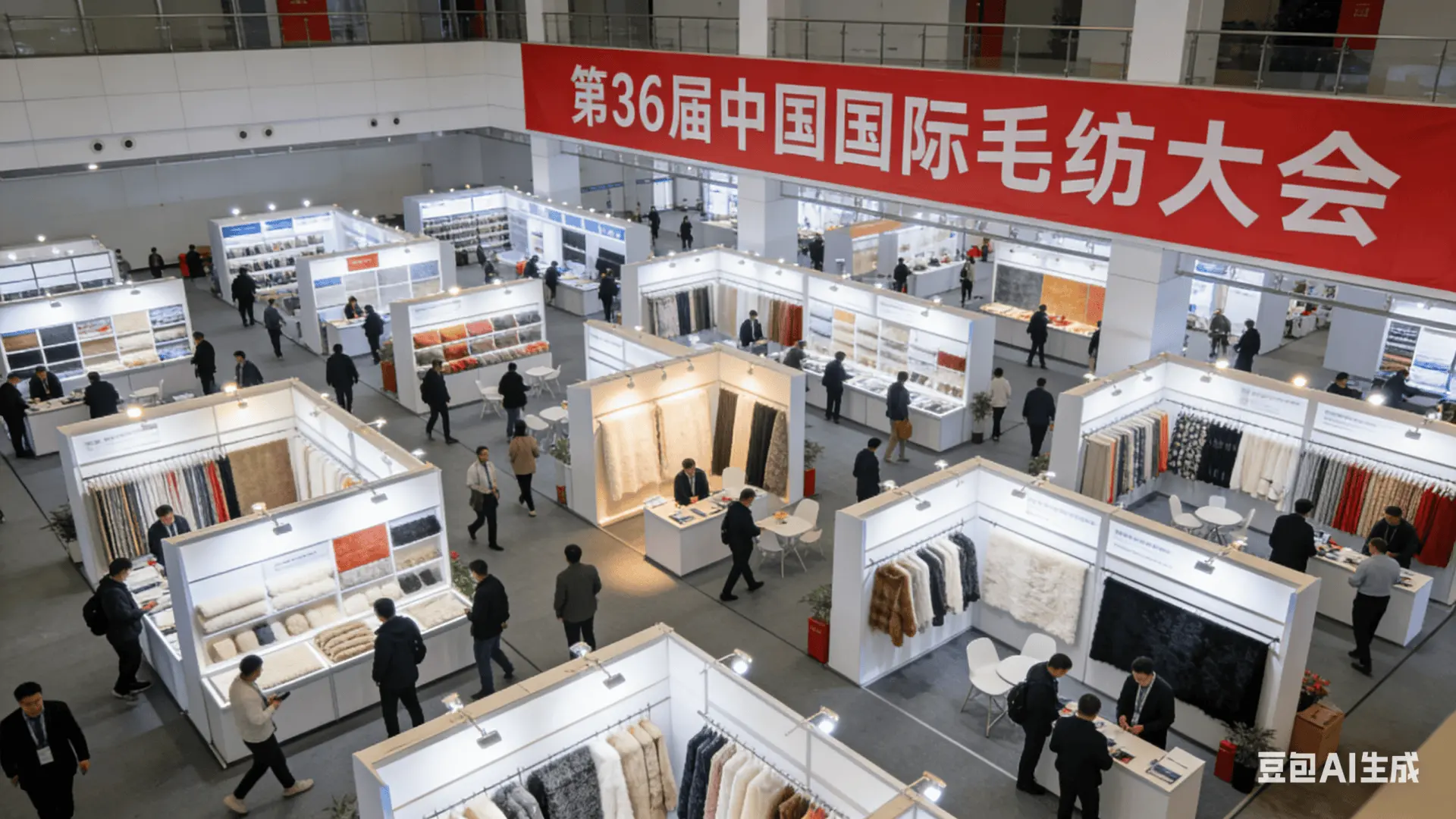
In September, the ancient and dynamic city of Nanjing played host to the much-anticipated 36th China International Wool Textile Congress, a grand event that gathered global wisdom and elite forces in the wool industry. As the annual "thought vane" and top-tier exchange platform of the global wool textile sector, this year's congress attracted in-depth participation from various stakeholders across the entire industrial chain, including representatives from wool-producing pastures, processing enterprises, textile designers, technical research institutions, and retail terminal brands from more than 20 countries and regions such as Australia, New Zealand, South Africa, the United States, and the European Union.
Centering on the theme of "High-Quality Development Driven by Wool Power", the congress featured a series of high-level forums, thematic seminars, and technical exchange sessions. Participants conducted in-depth discussions and in-depth analysis on the core challenges facing the industry across the full chain—from the sustainable development of pasture origins, such as ecological animal husbandry and wool quality improvement, to the innovation of wool processing technologies, the upgrading of textile product research and development, and the transformation of retail terminal business models in the digital era. Experts and scholars shared the latest research achievements in wool fiber modification, green dyeing and finishing technologies, and intelligent production equipment, while enterprise representatives exchanged practical experience in brand building, market expansion, and cross-border cooperation, jointly exploring a new path for the high-quality development of the global wool textile industry.
A highlight of this congress was the official announcement of the list of new members of the China-Australia-New Zealand-South Africa Joint Working Group on Wool. As a key intergovernmental and industrial cooperation mechanism in the global wool industry, this joint working group has long been committed to standardizing international wool trade rules, promoting the mutual recognition of quality standards, resolving trade barriers, and maintaining the stability and smoothness of the global wool textile industrial chain and supply chain. The addition of new members is expected to inject new vitality into the working group, further strengthen cooperation and communication among major wool-producing and consuming countries, and lay a more solid foundation for the healthy and sustainable development of the global wool industry.
As the congress concluded successfully, participants unanimously agreed that this event had built an efficient platform for global wool industry players to share insights, exchange experiences, and seek cooperation. It not only clarified the development direction amid challenges but also enhanced confidence in leveraging the unique advantages of wool—such as its natural, eco-friendly, and high-performance properties—to adapt to the changing market demands and promote the industry's transformation and upgrading. The achievements and consensus reached at the congress are poised to play a positive and far-reaching role in boosting the global wool textile industry's high-quality development in the post-pandemic era.