Leave Your Message

How to Choose Wedding Dresses for Your Store

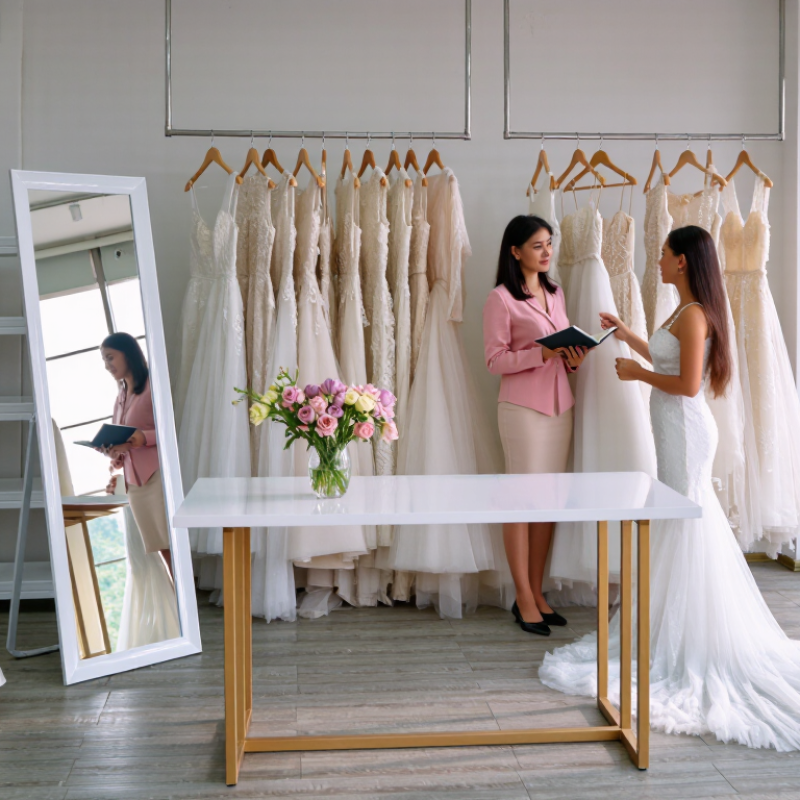
Choosing Wedding Dresses for your store is more than selecting beautiful gowns. It means understanding who shops with you, what they can spend, and what they need to feel confident. A rack of lace sleeves, clean satin lines, and different skirt shapes may look inviting, but every style ties up money until the right customer finds it. Start with your local shoppers, past sales, and honest conversations with brides.

Vera Wang, a bridal designer, has said, “I want people to see the dress, but focus on the woman.” That idea offers a useful lens for buying: a gown should support the wearer, not just photograph well on a model. Consider fit options, fabric comfort, alteration needs, and how a dress looks under your shop’s lighting. Small details matter. A stiff bodice or heavy train can change a bride’s experience.

This guide explores how to shape a balanced collection, assess quality, choose sizes and price points, and work with reliable suppliers. It also considers seasonal demand, display choices, and ways to use customer feedback without treating one busy weekend as a permanent trend. Buying mistakes happen. I would review them, not hide them: a striking sample can still sit untouched. The aim is a thoughtful range that serves real customers and leaves room to learn.
How to Choose Wedding Dresses for Your Store

Define Your Store’s Target Customers and Market Position

Know Your Customer
Before choosing wedding dresses for your store, define the customer you want to serve. A downtown boutique near event venues may attract time-pressed shoppers seeking appointments and alterations. A suburban shop might serve couples planning months ahead, with family members joining fittings. These details affect gown styles, size ranges, appointment hours, and price points.

The Knot’s 2024 Real Weddings Study reported an average wedding-dress spend of about $2,000 among surveyed U.S. couples married in 2023. Treat this as a reference, not a rule. It does not describe every region, income group, or shopping preference. Still, it can help you test whether your assortment leans too heavily toward entry-level gowns or premium designs. Ask local customers what they expect to spend, then compare answers with actual sales and alteration requests.

Put Positioning into Practice
Positioning should be visible in the fitting room, not just in your advertising. For a value-focused market, show clear pricing and practical fabrics that travel well. For shoppers seeking distinctive design, offer varied silhouettes and knowledgeable styling support. Keep a few unexpected options. They may not sell quickly, and that is worth reviewing. Track inquiries, try-ons, conversion rates, and size requests each month; revise buys when local evidence disagrees with your assumptions.
Set a Buying Budget and Plan Inventory Levels

Set a buying budget before reviewing wedding dress collections. Start with the amount available for merchandise, then reserve cash for freight, alterations, storage, and unexpected delays. A dress’s wholesale price is only part of its cost. Keep a small contingency rather than spending every dollar on opening stock. You may still underestimate expenses; that is worth checking against real invoices after each buying season.

Plan inventory around your store’s customers and sales history, not just runway preferences. Review which silhouettes, fabrics, and price points sold well, and note which sizes shoppers requested but could not try on. For a new store, begin with a narrower selection across several price levels. Track inquiries as carefully as completed sales. Those near-misses matter.

Wedding dresses often require long lead times, so confirm delivery estimates before committing to a large order. Set stock limits by style and size, then schedule regular checks of sell-through and cash tied up in unsold gowns. Leave room for proven bestsellers, but avoid reordering simply because one appointment went well. One sale is not a pattern. My own planning would still include a monthly review; otherwise, old assumptions can quietly shape the next buying decision.

Choose Dress Styles, Sizes, Fabrics, and Price Ranges

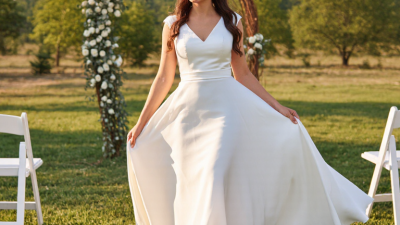
Build a focused mix of silhouettes rather than ordering every trend. A-line gowns suit many settings, while sleek sheaths and fuller skirts serve different tastes. Fit comes first. Stock a practical size range, then use local sales and try-on requests to guide reorders. Keep a few sample sizes available, and explain clearly when a style can be ordered in another size.

Fabric changes how a dress feels, photographs, and moves. Satin offers structure; chiffon feels light and fluid; lace adds texture but may need careful handling. Show fabric swatches beside sample gowns, so shoppers can compare weight and drape under natural light. Price tiers matter, too. The Knot’s 2024 Real Weddings Study reported an average wedding-dress spend of $2,000 among surveyed U.S. couples. Treat that figure as a reference, not a rule: set entry, mid-range, and premium options using your customers’ budgets and supplier costs. A tidy price ladder can still miss local demand.

Tip: Ask shoppers what they hoped to spend before recommending gowns. Record which sizes, fabrics, and price points receive serious interest. Review the notes each season; even a sensible buying plan can be wrong.

How to Choose Wedding Dresses for Your Store - Choose Dress Styles, Sizes, Fabrics, and Price Ranges

Dress Style Typical Silhouette and Customer Fit Fabric Options Suggested Size Coverage Indicative U.S. Retail Price Range Store Buying Considerations
A-line Fitted through the bodice with a skirt that gradually flares from the waist. A versatile option for many wedding settings and personal preferences. Chiffon, tulle, crepe, satin, or lace overlays Consider offering core samples in bridal sizes 2–20, with extended sizes available by order where possible. $800–$2,500 A practical core assortment style. Stock different bodice and sleeve options to distinguish designs without relying on silhouette alone.
Ball gown A fitted bodice paired with a full skirt. Often selected for formal, traditional, or grand-venue weddings. Tulle, organza, mikado, satin, or lace Consider core samples in bridal sizes 2–20; check skirt volume and sample storage needs. $1,200–$4,000 Balance statement pieces with lighter, easier-to-store options. Confirm whether the design needs a separate hoop or additional petticoat.
Sheath A relatively narrow silhouette that follows the body's line. A common choice for contemporary, intimate, or destination weddings. Crepe, satin, chiffon, or lightweight lace Consider core samples in bridal sizes 2–20, with fit appointments or made-to-order options for additional sizes. $900–$3,000 Prioritize fabric quality, lining, and seam finish, since a clean silhouette makes construction details more noticeable.
Mermaid or trumpet Close-fitting through the bodice and hips, then flaring around the thighs or knees. Best suited to customers seeking a defined shape. Satin, crepe, lace, or structured mikado Consider core samples in bridal sizes 2–20 and include a range of torso and hip proportions when selecting samples. $1,200–$4,500 Check mobility, lining, and closure construction. Make alteration expectations clear because close-fitting designs may require more precise fitting.
Tea-length or short A shorter skirt, commonly chosen for civil ceremonies, informal celebrations, or a second wedding look. Satin, lace, tulle, crepe, or cotton blends Consider core samples in bridal sizes 2–20; verify skirt length against the intended styling and shoe height. $500–$2,000 A smaller number of styles can add variety to a collection. Look for designs that can also be worn at other formal occasions.
Minimalist slip A simple, lightly structured dress with clean lines. Often appeals to customers seeking understated styling. Silk, satin, crepe, or matte charmeuse Consider core samples in bridal sizes 2–20 and check the manufacturer's measurement chart before placing orders. $700–$3,000 Inspect opacity, lining, and fabric drape under bright lighting. A simple design depends heavily on fabric quality and fit.
Plus-size designs Available across multiple silhouettes and designed with patterning and support appropriate to the intended size range. Crepe, satin, lace, tulle, or structured fabrics with suitable lining Consider dedicated samples across the store's extended-size range, such as bridal sizes 18–30, subject to supplier availability. $800–$4,000 Do not assume that simply grading a smaller pattern will provide the same fit. Review construction, support, and actual size charts.
Separates or two-piece looks A separate top and skirt that allow customers to combine shapes, fabrics, and coverage preferences. Lace, satin, tulle, crepe, or embroidered fabrics Check the size range for tops and skirts separately; sizing may not match across both pieces. $600–$2,500 for a coordinated set Confirm that pieces are sold separately or as a set, and check color and fabric matching between components.

Planning note: Price ranges are indicative U.S. retail estimates, not fixed market prices. Actual prices vary by fabric, construction, detailing, alterations, and region. Bridal sizing differs between suppliers, so use each supplier's measurement chart rather than relying on standard clothing sizes.

Assess Suppliers, Samples, and Ordering Terms

Choosing wedding dresses for your store starts with checking a supplier’s consistency, not just its lookbook. Request a current line sheet, size range, fabric details, lead times, and written defect policy. Ask how often stock is replenished and whether discontinued styles can be reordered. Small details matter. Speak with retailers who have placed repeat orders, and ask about late shipments, sizing consistency, and alteration issues.

Order samples before committing to a full range. Check seams, lining, closures, and how each fabric moves under store lighting. Photograph samples in daylight, too; subtle color differences can surprise buyers. The 2024 Real Weddings Study reports that U.S. couples marrying in 2023 spent an average of $2,000 on a wedding dress. Treat this as a market signal, not a pricing rule. Local budgets and customer preferences vary.

Read ordering terms line by line. Confirm minimum quantities, deposit dates, balance due, shipping costs, cancellation rules, and what happens when an item arrives damaged. Ask whether delivery windows are estimates or guarantees. A small trial order can feel overly cautious, yet one weak size curve can tie up cash. Keep written records of every change. Verbal assurances are easy to forget.

Use Sales Trends to Refine Future Dress Selections

A sales report can help you choose wedding dresses with more confidence, but units sold tell only part of the story. Track each style by silhouette, fabric, price range, size availability, and season. A gown that sells quickly may have had only one sample in stock, while another may have received many try-ons but few purchases. Record both outcomes.

Look for patterns across several weeks, not one busy Saturday. I have sometimes read a strong weekend as a lasting trend; that was too quick. Compare sales with appointment notes and alteration requests. If brides repeatedly ask for lighter skirts or sleeves, consider adding a few options before changing an entire order. Watch how price affects decisions, too. A dress just above a customer’s budget may need clearer value, not automatic removal.

Keep a small test range. Try two similar gowns in different fabrics, then review their results after a full selling period. Ask consultants what customers hesitated over, and note the exact details: a stiff lining, a low back, or a hard-to-match shade. Some notes will be subjective. That is useful, but check them against sales before adjusting future selections.

How to Choose Wedding Dresses for Your Store

Use recent sales trends to refine future dress selections.

Illustrative example store data, not an industry benchmark. Compare your own sales by silhouette each month, then prioritize styles with steady demand when planning future inventory.