Leave Your Message

10 Puffer Jacket Buying Tips for Global Buyers

Buying a Puffer Jacket for international markets involves more than comparing colors and prices. Climate, insulation, fabric performance, sizing, and supplier reliability all influence the final decision. A jacket that feels warm in northern Europe may become uncomfortable in humid Southeast Asia. Global buyers need practical evidence, not attractive product photographs.

This guide presents ten buying tips based on common procurement checks and real product considerations. It examines fill power, down-to-feather ratios, synthetic insulation, shell fabrics, stitching, zippers, and weather resistance. It also considers labeling, packaging, sample approval, and communication with manufacturers. Small details matter. A weak cuff can allow cold air inside. Poor quilting may create cold spots after repeated wear.

Higher fill power does not automatically mean better warmth. Construction and fit matter too. This is easy to overlook. Buyers should request material specifications, test reports, care instructions, and clear production samples before placing large orders. Reliable suppliers should explain their insulation sources and quality-control procedures without making vague promises. Certifications can support trust, but they should be verified and understood.

No checklist removes every uncertainty. Product performance may change after washing, transport, or long storage. Even experienced buyers can misjudge local demand or preferred sizing. That is why small trial orders and customer feedback remain valuable. Careful comparison helps reduce avoidable costs while protecting brand reputation. These tips are designed to support informed, responsible, and commercially sound Puffer Jacket purchasing decisions across different markets.
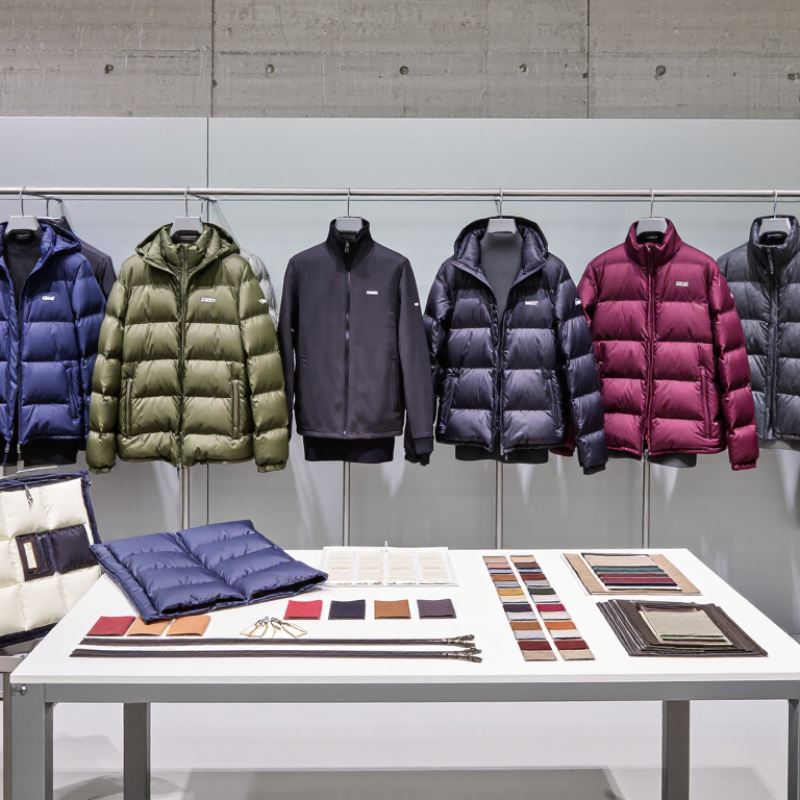
10 Puffer Jacket Buying Tips for Global Buyers

Define the Intended Use, Climate, and Buyer Requirements

10 Puffer Jacket Buying Tips for Global Buyers

Define the Intended Use, Climate, and Buyer Requirements

A puffer jacket should begin with its job, not its appearance. A city commuter needs different protection than a mountain guide. Ask where buyers will wear it, how often, and with which layers.

For wet coastal winters, choose a water-resistant shell, sealed seams, and insulation that retains warmth when slightly damp. Dry, severe climates may require higher insulation, a longer cut, and an adjustable hood. Lightweight jackets suit travel, but they can feel inadequate during long outdoor exposure. Check the temperature range carefully. Numbers can mislead.

Buyer requirements also vary by market. Some customers prioritize recycled fibers, while others focus on warmth, packability, or easy care. Confirm preferred sizes, color ranges, packaging limits, and washing instructions before placing an order. A size chart should include chest, sleeve, and garment measurements. Do not rely on labels alone.

I have found that sample testing reveals problems quickly. Wear the jacket over a sweater. Zip it with gloves. Stand in wind and light rain. Small details matter, such as stiff zippers or a hood that blocks vision. My own mistake was judging warmth while standing still. Movement changed everything. A practical buyer may need two samples: one for fit and another for cold-weather performance. Keep notes from real users, even when their feedback challenges the original specification.
Compare Puffer Jacket Insulation, Warmth, and Weather Protection

10 Puffer Jacket Buying Tips for Global Buyers

Warmth starts with insulation, not the word “puffer.” Down fill power measures loft: 800 cubic inches offers about 33% more volume than 600, using the same weight. However, fill weight, quilting, hood design, and fit also control warmth. A lightweight 800-fill jacket may feel colder than a heavier 600-fill model. The International Down and Feather Bureau recommends standardized testing, but test results still need careful comparison. I would not treat fill power as a complete warmth guarantee.

Synthetic insulation suits humid travel, coastal weather, and frequent washing. It usually keeps more loft after light moisture, while down can flatten when soaked. Check the shell’s hydrostatic resistance, seam construction, and water-repellent finish. There is no universal rainproof rating for every puffer jacket. ASTM F1291 measures clothing insulation with a thermal manikin, while ISO 11092 reports thermal resistance in m²·K/W. These laboratory numbers help, but movement and wind change comfort.

Weather patterns are also shifting. The World Meteorological Organization reported that 2023 was about 1.45°C above the pre-industrial average. That does not mean every destination is warmer. Sudden cold snaps still happen. Global buyers should compare insulation weight, wind blocking, packability, and drying time for the actual climate. Inspect the cuffs and zipper. Small gaps matter. Real life is messier than laboratory testing.

10 Puffer Jacket Buying Tips for Global Buyers

Compare puffer jacket insulation, warmth, and weather protection

Scores use a practical 1–5 comparison scale based on commonly documented characteristics of insulation materials: warmth-to-weight, moisture resistance, compressibility, and drying speed. Down generally offers excellent warmth and packability in dry conditions, while synthetic insulation performs more reliably in damp weather and dries faster. Actual performance also depends on fill weight, garment construction, shell fabric, fit, and quilting.

Evaluate Materials, Construction Quality, Fit, and Comfort

Tip: Check the insulation before admiring the appearance. Down offers excellent warmth with low weight, while synthetic fill performs better in damp conditions. Ask for the fill composition, fill weight, and test information. A high warmth rating can mislead when the jacket contains little insulation.

Construction quality shows in small details. Examine evenly filled baffles, secure stitching, and clean seam finishing. Press the jacket gently and watch whether the filling returns quickly. Inspect the zipper, snap fasteners, hood adjustment, and cuff closure. I once chose a light jacket with attractive quilting, but its thin stitching allowed cold air through the shoulders. Lightweight is not automatically durable.

Tip: Test the fit with real winter layers. Wear a sweater and raise both arms. The shoulders should move freely, while the hem should stay close to your body. Sleeves need enough length to cover the wrists without hiding the hands. A tight chest compresses insulation and reduces warmth. A loose waist lets wind enter. Comfort also depends on lining softness, pocket placement, and jacket weight. Sit, bend, and walk before deciding. Small discomfort becomes obvious outdoors.

Global buyers should match materials and construction to their climate, transport conditions, and daily use. A water-resistant shell helps in light rain, but it is not waterproof protection. Check care instructions carefully, especially for down-filled garments. Product measurements are more reliable than labels, yet sizing charts can still vary between suppliers. That deserves a second check.

Check Sizing Systems, Certifications, and Supplier Reliability

10 Puffer Jacket Buying Tips for Global Buyers

Sizing systems are not interchangeable. A men’s “L” may differ by several centimetres between markets. Ask suppliers for chest, shoulder, sleeve, and back-length measurements in centimetres. Compare those figures with your target customer’s body data. ISO 8559-1:2017 provides measurement definitions, but it does not guarantee identical garment dimensions. Request a graded size chart and one pre-production sample. Check it while wearing a sweater.

Certifications need careful reading. The Responsible Down Standard verifies animal-welfare practices and chain of custody for certified down, not every component of the jacket. OEKO-TEX STANDARD 100 focuses on tested harmful substances. Ask for the certificate number, validity period, product scope, and transaction records. Textile Exchange’s 2024 Materials Market Report estimated global fiber production at 132 million tonnes in 2023. That scale makes traceability more important, not less. A certificate image alone proves very little. I once trusted a neatly formatted document too quickly. That was careless.

Supplier reliability appears in records, not promises. Request recent test reports for down composition, fill power, colorfastness, seam strength, and water repellency. Use an agreed inspection standard, such as AQL, before shipment. Review production capacity, corrective-action history, and references from comparable orders. The 2024 McKinsey–BoF State of Fashion report identified geopolitical instability as a major industry risk, so maintain a backup production route. Ask how the supplier handles late fabric, failed testing, or missing documentation. Their answer often matters more than their sales presentation.

Calculate Total Cost, Shipping Risks, and Long-Term Value

Buying a puffer jacket globally requires more than comparing unit prices. Start with fill type, fill weight, fabric density, stitching, and size measurements. Ask for test reports covering warmth, colorfastness, seam strength, and insulation composition. Confirm product dimensions and carton counts before requesting freight quotes. A small measurement error can change shipping charges.

Calculate landed cost carefully: jacket price, packaging, export handling, freight, insurance, duties, taxes, broker fees, and local delivery. Request quotes under the same trade term and currency. Compare air, sea, and consolidated freight against your delivery deadline. Check volumetric weight, because bulky cartons may cost more than their scale weight. Add a 10–15 percent contingency for currency movement and port delays. It is not perfect. Real invoices can surprise you. Also verify destination labeling, fiber-content, and care instructions before production.

Reduce shipping risk by confirming tracking procedures, damage coverage, and claims deadlines. Use moisture-resistant inner bags and strong cartons for humid routes. Request a pre-shipment inspection with photos of labels, measurements, and carton seals. I once underestimated storage fees when a shipment arrived during a holiday period. That mistake changed the real margin. Evaluate long-term value through insulation retention, zipper performance, repairability, and reorder consistency. A cheaper jacket may lose loft after one season. Check whether replacement components and technical support remain available. Record every assumption in writing. Vague promises are expensive.