Leave Your Message
-
Phone
-
E-mail
-
Whatsapp

-
Whatsapp
Choosing a reliable Casual Trousers manufacturer takes more than comparing prices. Global buyers must weigh fabric quality, fit consistency, production capacity, communication, and delivery reliability. A soft cotton twill may feel right in a sample room, yet shrink after washing or vary between production batches. Details matter.
Fashion designer Coco Chanel famously said, “Fashion is architecture: it is a matter of proportions.” Her observation applies to casual trousers, where a small change in rise, leg shape, or pocket placement can alter comfort and appearance. Buyers should assess size charts, sample fit, stitching, fabric composition, and quality-control procedures before placing larger orders. They should also verify current certifications and supplier claims directly.
This guide introduces ten manufacturers for global buyers to consider. It compares practical factors such as product range, customization options, minimum order quantities, and export experience, where reliable information is available. No shortlist is perfect. Supplier capabilities change, and a polished website cannot prove consistent production. Ask for recent samples. Check the seams and waistband. Confirm how defects are handled, and get timelines in writing. A useful sourcing decision balances cost with evidence, not promises alone. The comparison can narrow the field, but buyers should independently verify each company’s current capabilities before committing.
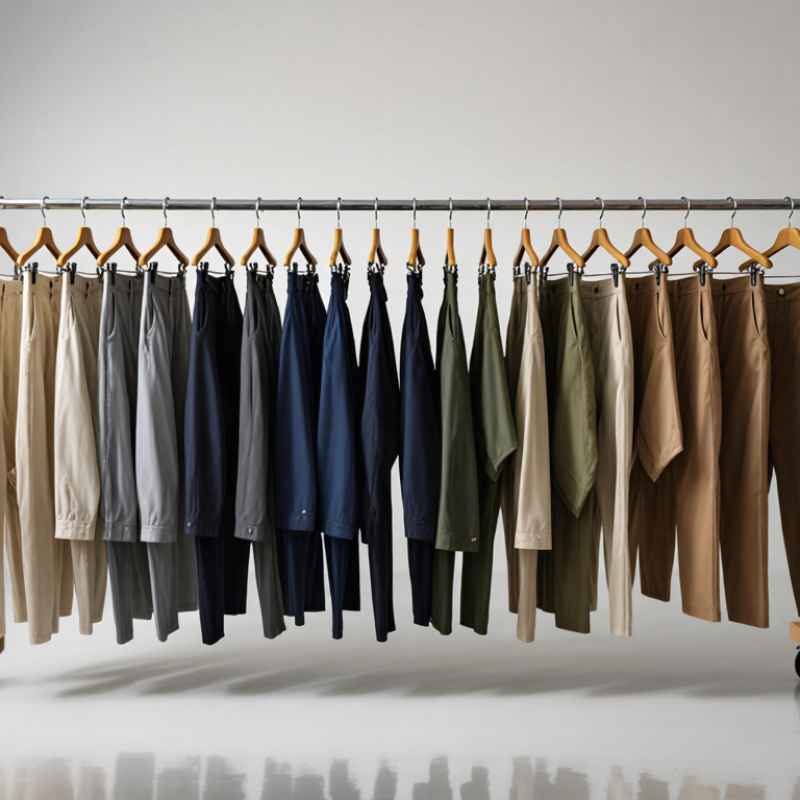
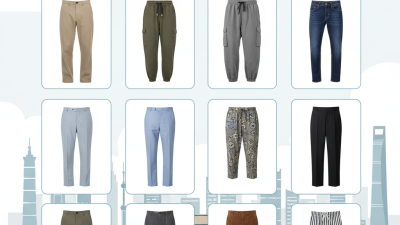
Casual trousers span chinos, five-pocket pants, relaxed drawstrings, and cargo styles. Each asks for a different balance of structure and ease. Chinos often use twill with a clean surface; drawstring trousers benefit from softer drape and a forgiving waistband. Cargo pockets add utility, but poorly placed pockets can make the leg look bulky. Small details matter.
Fabric choice shapes comfort, durability, and cost. Cotton twill feels familiar and breathable, while polyester blends can improve crease recovery and drying time. Linen brings airflow, though it wrinkles readily. For warm-weather trousers, a lighter fabric and a little room through the thigh can matter more than a fashionable finish. Fit still wins. Buyers should check fabric weight, shrinkage, seam strength, and color consistency on physical samples, not rely only on a specification sheet.
Global fiber figures offer useful context, but they are not trouser-specific. Textile Exchange’s 2024 Materials Market Report estimates that global fiber production reached 124 million tonnes in 2023; polyester accounted for about 57%, and cotton about 20%. These numbers show the scale of synthetic and natural fibers across the wider textile industry, not the exact composition of casual pants. That distinction is easy to overlook. For sourcing teams, asking mills for verified fiber-content records and testing samples can turn broad market data into practical product decisions.
Supplier-neutral comparison of common casual-trouser product types and manufacturing considerations. Rows describe product categories, not ranked or named companies. Fabric compositions are typical examples and vary by mill, market, and specification.
| No. | Casual Trouser Style | Typical Fabric and Fiber Content | Common Construction Details | Typical Buyer or Use Case | Useful Manufacturing and Quality Checks |
|---|---|---|---|---|---|
| 1 | Chinos | Cotton twill; commonly 100% cotton or cotton blended with a small amount of elastane. | Slanted front pockets, welt back pockets, belt loops, and a clean waistband. | Office-casual, uniform, and everyday retail programs. | Check shade consistency, shrinkage after laundering, seam strength, and pocket symmetry. |
| 2 | Five-Pocket Twill Trousers | Cotton twill or cotton-rich stretch twill; some versions use cotton-polyester blends. | Jeans-inspired five-pocket layout, reinforced pocket openings, and a zip fly. | Casual retail and buyers seeking a versatile alternative to denim. | Verify pocket dimensions, bartack placement, colorfastness, and fit consistency across sizes. |
| 3 | Casual Denim Jeans | Cotton denim, often 100% cotton or cotton blended with elastane or polyester. | Five-pocket construction, metal or tack-button closure, and optional wash or abrasion effects. | Mass-market, fashion, and private-label denim ranges. | Assess fabric weight, wash reproducibility, dimensional stability, and compliance of finishing processes. |
| 4 | Cargo Trousers | Cotton twill, cotton-polyester blends, or lightweight woven synthetics. | Multiple utility pockets, reinforced stress points, and sometimes adjustable hems or waist tabs. | Outdoor, travel, workwear, and casual apparel channels. | Check pocket load strength, hardware function, seam reinforcement, and garment measurements. |
| 5 | Jogger Trousers | Cotton jersey, cotton-polyester fleece, or woven stretch fabric; elastic trims are common. | Elastic or drawcord waist, tapered leg, and elasticated or ribbed cuffs. | Athleisure, travel, and comfort-focused casual collections. | Test waistband recovery, pilling, colorfastness, and stretch recovery after repeated wear. |
| 6 | Linen or Linen-Blend Trousers | Flax linen, or linen blended with cotton or viscose for a different hand and drape. | Lightweight woven construction, often with a relaxed fit and partial or full lining where needed. | Warm-weather, resort, and summer casual assortments. | Review fabric slubs, seam puckering, shrinkage, transparency, and pressing appearance. |
| 7 | Corduroy Trousers | Cotton corduroy; stretch versions may include elastane. | Cut-pile fabric with wale lines; panels must be aligned consistently during cutting and sewing. | Autumn and winter casual ranges. | Check wale direction, pile appearance, shade matching, and abrasion resistance. |
| 8 | Lightweight Travel Trousers | Polyester or nylon woven fabric, sometimes blended with elastane for stretch. | Light construction, practical pocketing, and optional quick-dry or water-repellent finishes. | Travel, outdoor, and performance-casual buyers. | Confirm test methods and claims for drying, stretch, finish durability, and colorfastness. |
| 9 | Pull-On Casual Trousers | Cotton, viscose, or polyester blends in woven or knit constructions; elastic waistbands are typical. | Pull-on waist, optional drawcord, and a relaxed silhouette with minimal hardware. | Comfort, lounge, and easy-dressing apparel ranges. | Inspect waistband stretch and recovery, seam comfort, fit grading, and laundering performance. |
| 10 | Casual Wool-Blend Trousers | Wool blended with polyester, viscose, or elastane, depending on the intended weight and performance. | Woven construction with a more tailored waistband, fly, and optional crease or lining. | Smart-casual, cooler-weather, and premium apparel programs. | Check fiber-label accuracy, fabric surface, seam appearance, pressing, and dimensional stability. |